Every solar system relies on turning sunlight into usable electricity, and the difference between DC (Direct Current) and AC (Alternating Current) power is at the heart of this process—a smart solar inverter bridges this gap, making solar energy work for homes and businesses. At HYXiPOWER, we design our smart solar inverters to optimize this conversion, ensuring installers and dealers can deliver systems that maximize energy use. Let’s break down DC vs AC in solar power and why the right conversion matters.
What Are DC and AC in Solar Systems?
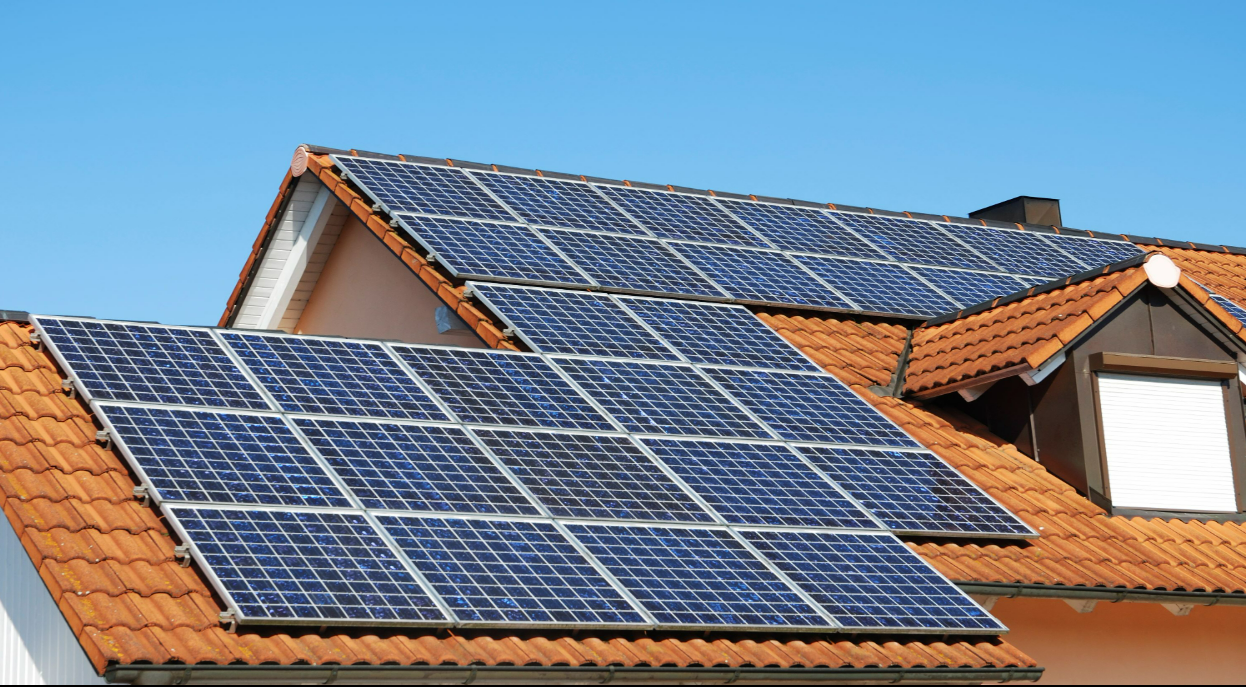
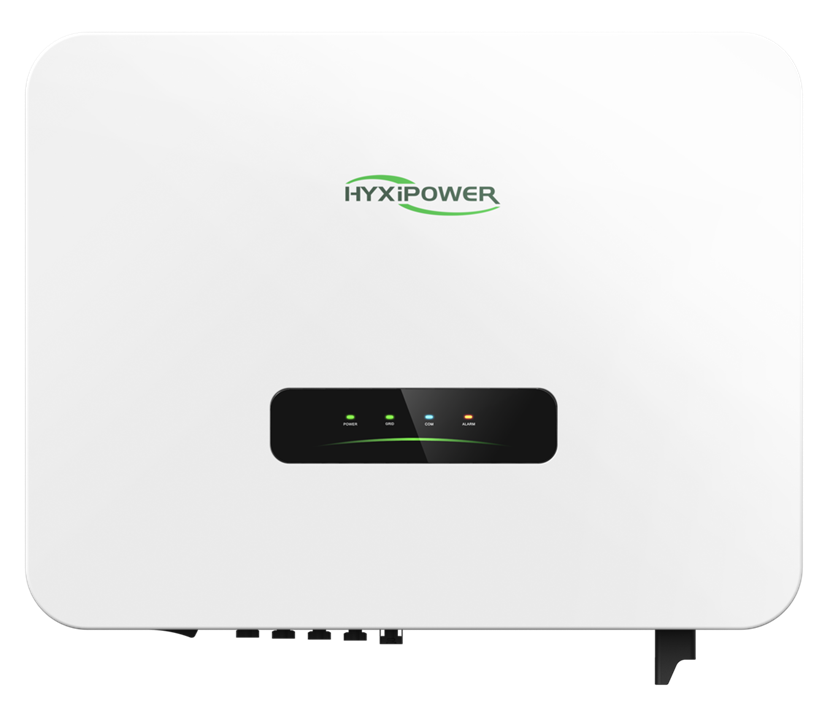
DC power is what solar panels generate—this current flows in a single direction, like the energy from a battery. But most homes and grids use AC power, which alternates direction, making it easier to transmit over long distances. The problem? Solar panels can’t directly power appliances or feed into the grid with DC—this is where a smart solar inverter comes in. Our H15K/20K/25K-HT Three-Phase Hybrid Inverter, for example, takes the DC power from panels, converts it to AC, and ensures it’s compatible with both household use and grid connection. Without this conversion, solar energy can’t be practically used.
The Role of a Smart Solar Inverter in Conversion
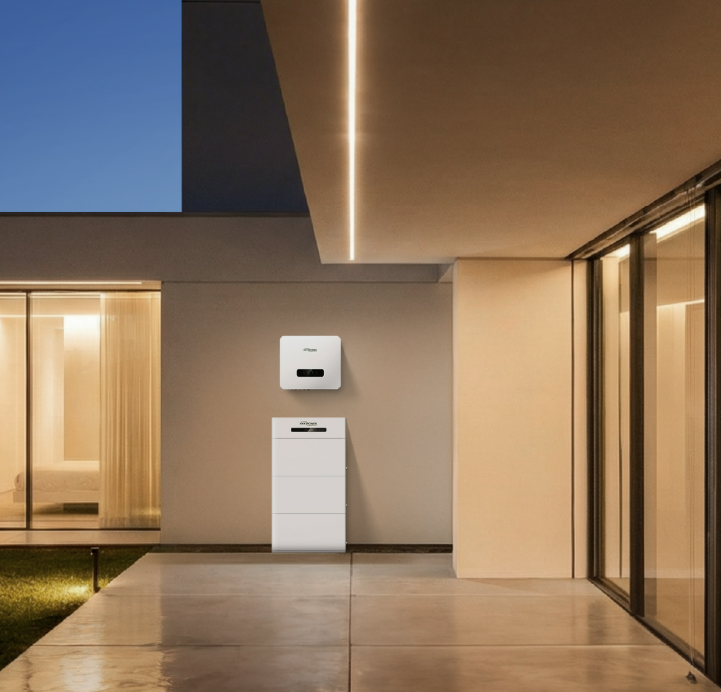
A regular inverter only converts DC to AC, but a smart solar inverter adds precision and adaptability to this process. Let’s look at two key HYXiPOWER models:
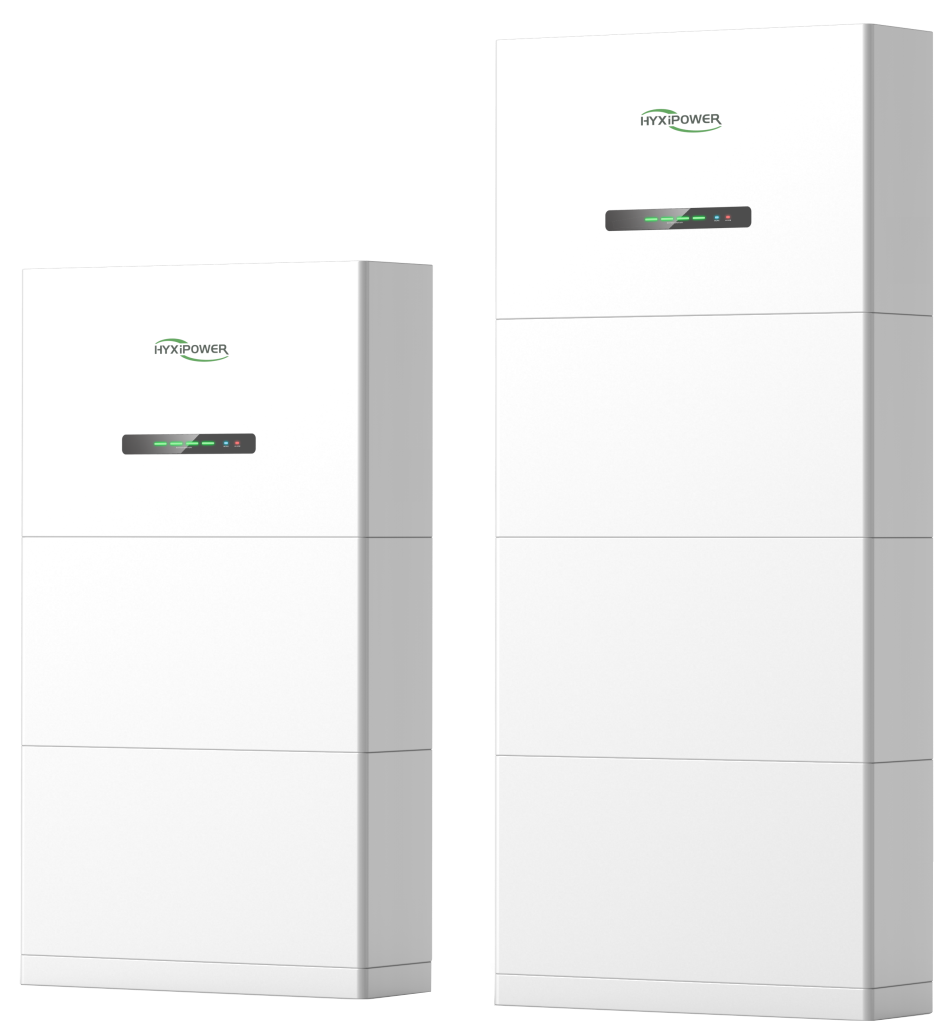
The H50K/75K/80K/99K9/100K/110K/125K-ET 125KW Hybrid Solution uses a DC-coupled design, which reduces energy loss during conversion by connecting batteries directly to the DC side. This design boosts overall system efficiency and cuts costs, a win for both you and your clients.
The HT model features a wide MPPT range (starting at 160V) and 20A design, which optimizes DC input from panels—even when sunlight is inconsistent. It also supports 60A battery fast charging/discharging, letting you store excess DC power in batteries for later use, rather than wasting it.
These features mean smart solar inverters don’t just convert power—they make conversion more efficient and flexible.
Why Conversion Quality Matters for Your Business
For installers and dealers, poor conversion leads to unhappy clients: systems that waste energy, higher utility bills, and more maintenance calls. A smart solar inverter’s high conversion efficiency (like the ET model’s 98.6% PV-side efficiency) ensures clients get the most out of their solar panels. The DC-coupled design of the ET model also simplifies installation, as it reduces the number of components needed to connect batteries. Plus, HYXiPOWER’s smart solar inverters meet global certifications (from TÜV Rheinland, CSA, and more), so you can trust they’ll pass local inspections and perform reliably.
Conclusion
DC and AC are two sides of the solar power coin, and a smart solar inverter is the critical link between them. HYXiPOWER’s ET and HT models are engineered to optimize this conversion, with features that boost efficiency, simplify installation, and enhance flexibility. For energy solution providers, understanding this conversion process and choosing the right smart solar inverter lets you deliver systems that work better for clients—saving them money and building your reputation as a trusted advisor in solar technology.