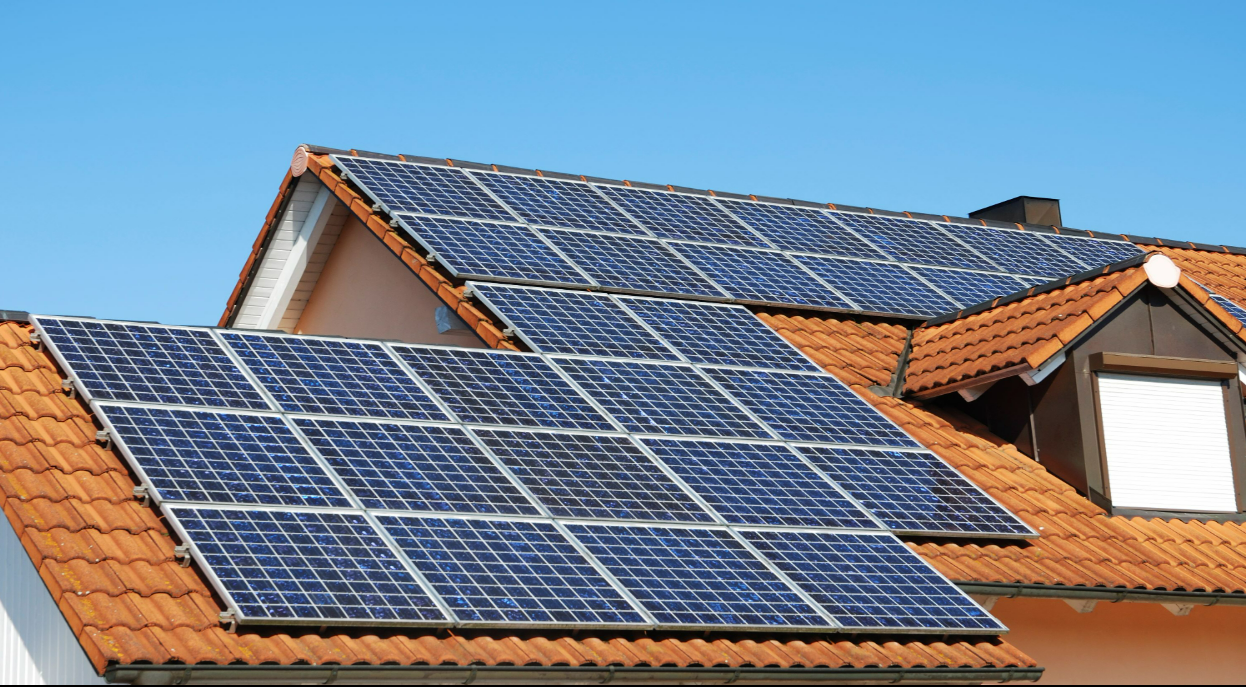
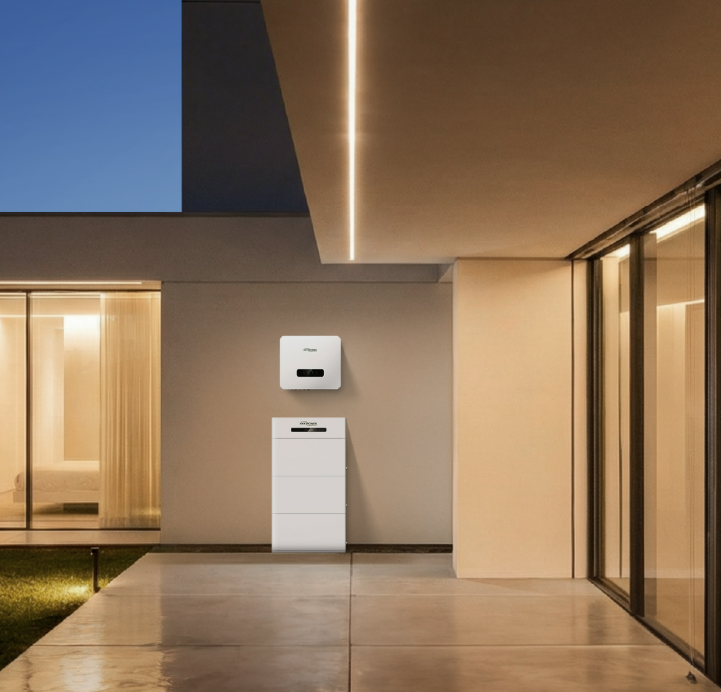
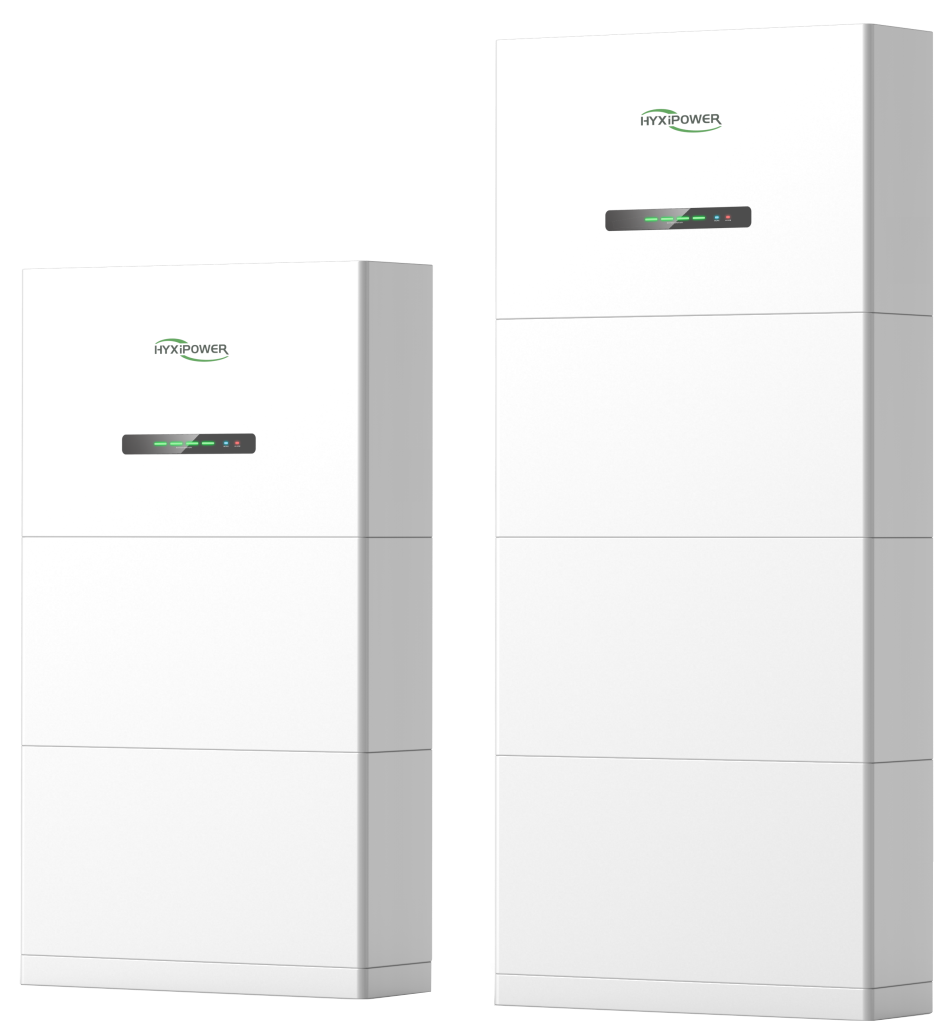
For installers and energy solution providers, knowing how smart inverters function within solar and energy storage setups is key to recommending reliable systems—and partnering with a trusted solar inverter manufacturer like HYXiPOWER ensures you’re working with technology built to integrate seamlessly. Smart inverters don’t just convert power; they act as a bridge between solar panels, batteries, and the grid, making the entire system work more efficiently. Let’s break down their role and how they operate in real-world setups.
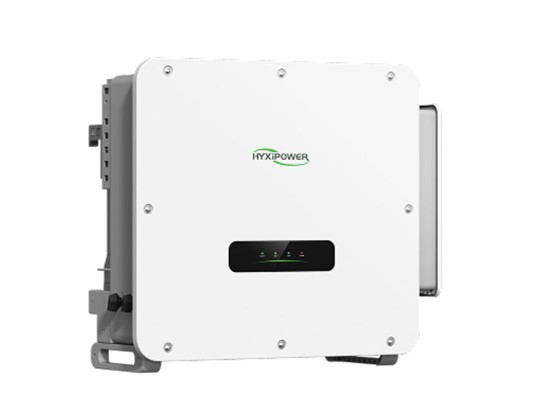
Step 1: Capturing and Converting Solar Power
The first job of a smart inverter in a solar system is to take the DC power generated by PV panels and convert it to usable AC power. But unlike basic inverters, smart models from a quality solar inverter manufacturer optimize this process. For example, HYXiPOWER’s H50K/75K/80K/99K9/100K/110K/125K-ET 125KW Hybrid Solution uses a 40A high-current MPPT (Maximum Power Point Tracking) that’s compatible with next-gen PV modules. This MPPT adjusts to changing sunlight conditions—like cloud cover—to pull the maximum possible power from panels, boosting efficiency up to 98.6% on the PV side. Even better, the ET model’s AI-driven MPPT adds up to 5% more solar yield, ensuring no energy is wasted during conversion.
Step 2: Managing Energy Storage Integration
Smart inverters truly shine when paired with energy storage systems, as they decide when to store power and when to use it. HYXiPOWER’s designs prioritize this flexibility: the ET model has a battery-ready design, so it can easily connect to storage without extra hardware. When solar production exceeds immediate use, the inverter sends excess DC power to batteries (the H15K/20K/25K-HT model even supports 60A fast charging for quick storage). During low production or outages, the inverter switches to battery power—both the ET and HT models offer seamless on/off-grid switching, so clients don’t experience downtime. This integration turns a solar system from “generate-and-use” to “generate-store-use,” adding reliability.
Step 3: Adapting to Grid and User Needs
Another critical function of smart inverters is adapting to grid conditions and user preferences—something a top solar inverter manufacturer like HYXiPOWER builds into every model. The ET model supports up to 10 units in grid-tied parallel, letting you scale systems for larger C&I applications while staying connected to the grid. It also uses AI-powered time-of-use optimization: if grid electricity is more expensive during peak hours, the inverter automatically uses stored battery power instead, cutting energy costs for clients. For safety, both models include Type II DC/AC surge protection and 300m AFCI detection with 0.5s rapid shutdown—features that protect the system and comply with global grid standards.
Conclusion
Smart inverters are the “brain” of solar and energy storage systems, managing conversion, storage integration, and grid adaptation to deliver efficiency and reliability. As a solar inverter manufacturer, HYXiPOWER designs models like the ET and HT to simplify your work—with features like quick installation, seamless storage compatibility, and AI optimization—while meeting the needs of your clients. For installers and dealers, choosing smart inverters from a trusted manufacturer ensures you’re offering systems that perform well, last long, and keep clients satisfied.