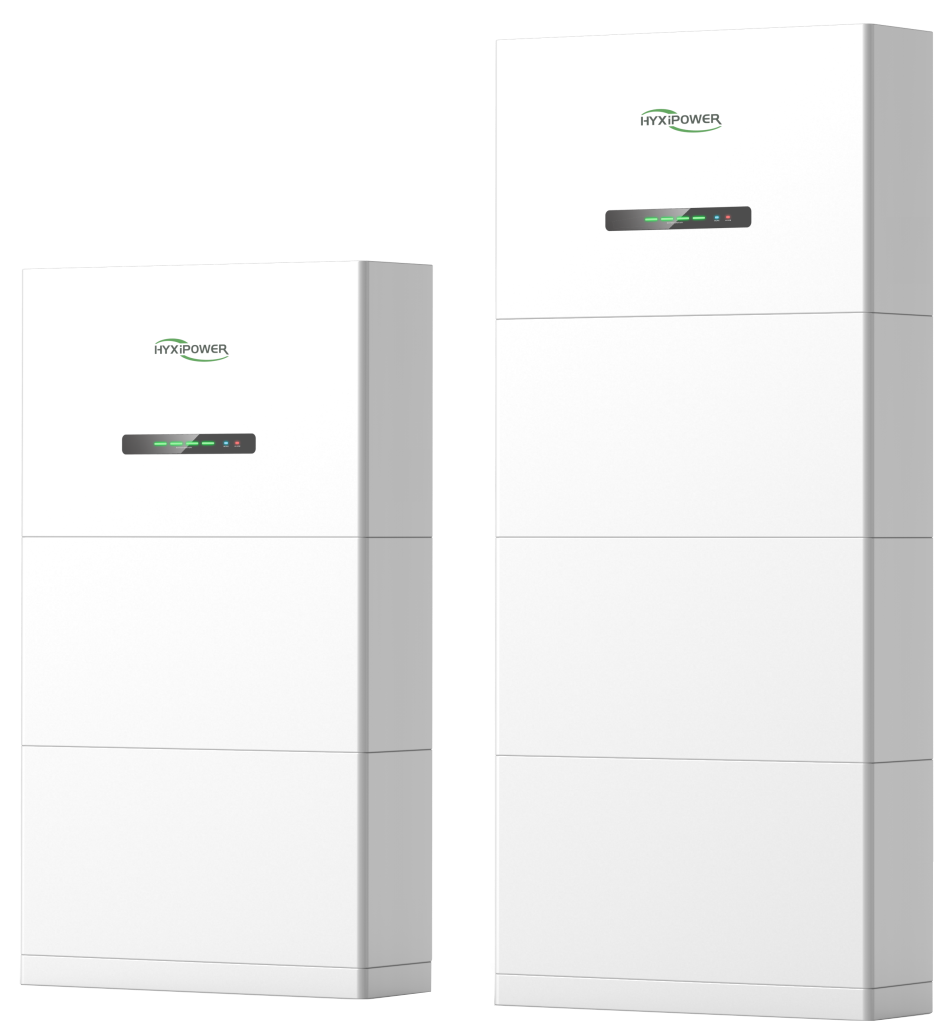
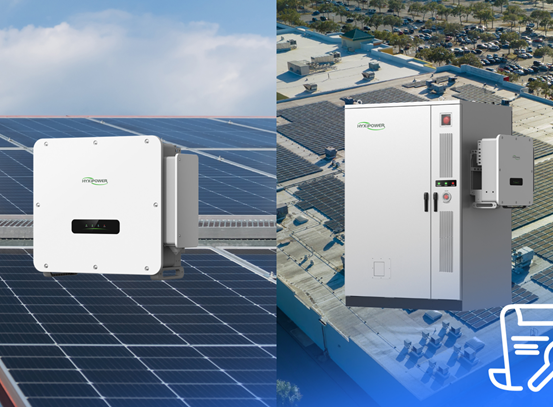
Knowing the core components of a hybrid inverter system ensures installers build reliable, efficient setups for clients—and the hybrid inverter charger is one of the most critical parts, as it manages battery charging and power flow between sources. At HYXiPOWER, we design our hybrid inverter systems with compatible, high-performance components, like the H3K/3K6/4K/4K6/5K/6K/8K-HS and H50K/75K/80K/99K9/100K/110K/125K-ET models, to simplify integration for installers. Let’s break down the key components that make a hybrid inverter system work.
1. Hybrid Inverter Charger: The Power Flow Manager
The hybrid inverter charger is the “heart” of the system—it converts DC solar power to AC, charges batteries with excess energy, and discharges batteries when needed. Our HS Single-Phase Hybrid Inverter has a built-in 35A hybrid inverter charger, which quickly stores midday solar surplus and uses it at night. The ET Hybrid Inverter’s charger is more robust, with a 40A high-current design for next-gen PV modules—this handles more solar input, charging batteries faster and cutting grid reliance. Without a quality hybrid inverter charger, a system can’t effectively store or use stored energy.
2. Battery Storage: The Energy Reservoir
Batteries work with the hybrid inverter charger to store excess power. HYXiPOWER’s hybrid inverter systems are battery-ready—both HS and ET models support seamless integration, no extra hardware needed. The HS pairs well with compact residential batteries, while the ET’s modular design fits larger C&I battery banks. The hybrid inverter charger optimizes charging (avoiding overcharging) and discharging (using power during peak pricing), extending battery life and boosting client savings. Our systems eliminate compatibility guesswork.
3. PV Module Interface: Capturing Solar Power
A hybrid inverter system needs a reliable PV module connection, and the interface (with MPPT controllers) determines how much solar power is captured. The ET uses AI-driven MPPT, boosting yield by up to 5% by adapting to sunlight changes. The HS has a wide 50V-start MPPT range, working with most standard modules and capturing power on cloudy days. This interface feeds DC power to the hybrid inverter charger, making it a critical link. For installers, this means less time sourcing compatible parts.
4. Safety & Monitoring Features: Ensuring Reliability
Essential safety features include Type II DC/AC surge protection and 300m AFCI detection (0.5s rapid shutdown) in both HS and ET models, preventing hazards. The scenario-based app lets installers and clients monitor energy flow, battery status, and hybrid inverter charger performance in real time—enabling remote troubleshooting and fewer service calls. These build client trust in system security.
Conclusion
A hybrid inverter system works when its components harmonize, from the hybrid inverter charger to the PV interface. HYXiPOWER’s HS and ET hybrid inverter systems are engineered for compatibility, efficiency, and safety. For installers and dealers, this means faster installations and satisfied clients. Focusing on these components lets you deliver reliable energy solutions backed by a brand with hybrid technology expertise.