If you’re a dealer or energy solution provider sourcing gear for solar projects, understanding the parts of a microinverter for solar panels is key to evaluating quality and compatibility. Unlike generic components, a microinverter for a solar panel relies on specialized parts working in tandem to convert DC power, stay connected, and endure tough conditions. At HYXiPOWER— a high-tech enterprise focused on smart PV & ESS—every component in our microinverter for solar panels is built to strict standards, aligning with our core value of quality and ensuring seamless integration with solar panels.
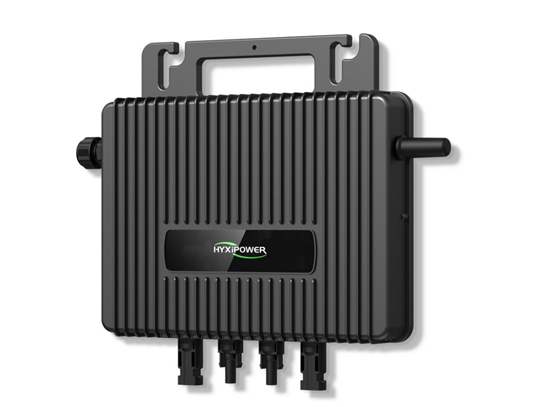
Core Electrical Components: Power Conversion Essentials
The backbone of any microinverter for a solar panel is its electrical components, which handle DC-to-AC conversion. First, there’s the DC input stage: it uses precision capacitors and semiconductors to safely take power from solar panels. HYXiPOWER optimizes these parts to enable an ultra-low 20V startup voltage—critical for low-light scenarios like dawn or cloudy days, so solar panels start generating power earlier.
Then there’s the AC output stage, which feeds usable electricity to the grid or home. We also include an EMC (Electromagnetic Compatibility) filter: all HYXiPOWER microinverters for solar panel units are EMC-certified, meaning this filter prevents interference with other devices (like home appliances or industrial equipment). For you, this eliminates compatibility headaches that could lead to client issues.
Connectivity Components: Stable Monitoring & Control
A microinverter for a solar panel is only useful if you can monitor it—and that depends on reliable connectivity parts. Our models include an iMesh-Powered Sub 1G module, a “communication hub” with high-gain antennas and signal processors. These parts enable a 1500-meter transmission range and penetration through up to 5.5 walls, so you won’t face dead zones in large properties.
We also add a smart control chip: it powers the industry-first effortless layout sync scan (which auto-maps project layouts instantly) and transmits real-time data (energy production, system status). This chip also triggers intelligent alarms, making remote troubleshooting easier for you and keeping clients informed.
Durability Components: Weather & Wear Resistance
Solar projects face extreme conditions, so a microinverter for solar panel needs tough durable parts. HYXiPOWER uses an IP67-rated housing: made from corrosion-resistant plastic and sealed with waterproof gaskets, it shields internal parts from rain, dust, and humidity. Inside, thermal management parts (heat sinks, fans) prevent overheating—tested to keep the microinverter running at 65°C without load reduction.
For installation, we’ve added a specialized hook section. This small but vital part lets you secure the microinverter to racks or roofs without slipping, ensuring long-term stability. Paired with our streamlined setup (50% fewer components and steps), it cuts your installation time in half.
Conclusion
Every component in a microinverter for solar panels impacts performance and reliability—and HYXiPOWER’s focus on these details makes our products stand out. With 12 Global Technical Assistance Centers (GTACs) across six continents, we offer support if you need help with our microinverter for solar panel lineup. Whether you’re serving residential or C&I clients, our microinverter for solar panels delivers the quality your clients expect, helping you build trust and grow your business.