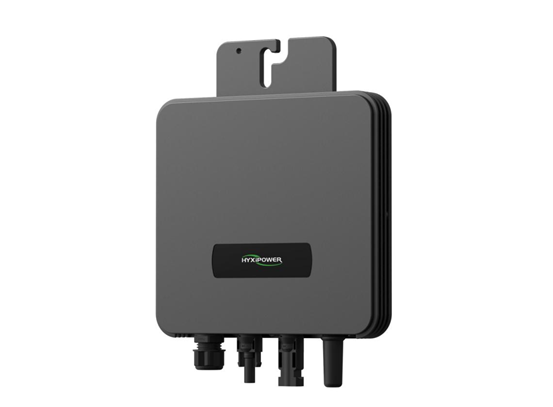
Clients often ask me to compare micro inverters—like HYXiPOWER’s microinverter 300/400/500W (M300/400/500-S/SW series)—to string inverters, and this breakdown helps you guide them to the right solar project choice. String inverters connect multiple panels in a “string” to convert DC to AC, while a microinverter 300/400/500W works with one panel, optimizing each independently. At HYXiPOWER, a high-tech enterprise specializing in smart PV & ESS, our microinverter 300/400/500W addresses string inverter pain points, ideal for specific needs you’ll face as an installer or dealer.
Performance: Panel-Level Optimization vs String Limits
The key performance gap is panel efficiency handling. String inverters are held back by their weakest panel—shading or faults drop the whole string’s output. A microinverter 300/400/500W fixes this: even if one panel underperforms, others run at full capacity. HYXiPOWER’s microinverter 300/400/500W adds a 20V ultra-low startup voltage, letting panels generate in low light (dawn, dusk, clouds)—where string inverters often fail to activate.
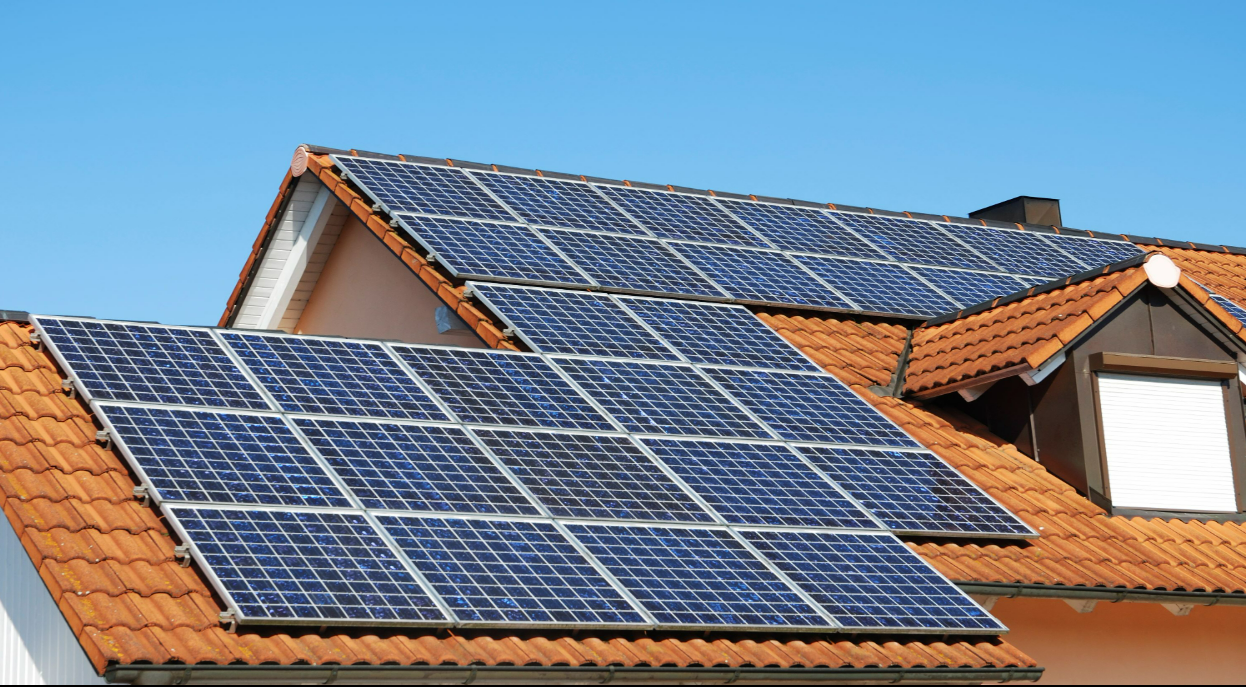
String inverters work for large, uniform setups (like utility-scale projects with no shading), but for residential/small C&I projects with uneven roofs or trees, the microinverter 300/400/500W’s optimization wins.
Durability and Installation: Toughness & Ease vs Bulk
Durability and installation ease matter for your workflow, and the microinverter 300/400/500W excels here. HYXiPOWER’s model has an IP67 rating (waterproof/dustproof) and works from -40℃ to 65℃ (no load reduction at 65℃), tested via 72-hour high-temperature trials. String inverters are bulkier, mounted in one spot (e.g., a garage), making them more vulnerable to extreme temperatures or damage.
Installation is simpler too: the microinverter 300/400/500W uses 50% fewer components/steps, cutting setup time in half, plus a hook for secure mounting. String inverters need long wires, adding time and labor—something you’ll want to avoid for small projects.
Connectivity and Maintenance: Smart Monitoring vs Limited Visibility
Smart features save maintenance time. The microinverter 300/400/500W uses iMesh-Powered Sub 1G tech (1500m range, penetrates 5.5 walls) for uninterrupted connectivity, plus real-time monitoring, alarms, and an “effortless layout sync scan” to auto-map projects. This lets you troubleshoot remotely—no roof climbs.
String inverters offer basic monitoring but can’t pinpoint faulty panels—you’ll test each manually. For you, this means more on-site time than with the microinverter 300/400/500W’s tools.
Conclusion
Choosing between them depends on project size, shading, and installation needs. For shaded/small projects, HYXiPOWER’s microinverter 300/400/500W (backed by 200+ global certifications) delivers better performance, durability, and smart maintenance. For large, uniform setups, string inverters work—but for most residential/small C&I jobs, the microinverter 300/400/500W speeds up your work and boosts client system reliability, strengthening your reputation as a tech-savvy provider.