For installers and dealers, choosing between a smart inverter and a regular one isn’t just about technology—it’s about the value you deliver to clients. The HYXiPOWER Inverter line, developed by HYXiPOWER, highlights these differences clearly, as smart inverters are built to solve the pain points regular models often leave unaddressed. Let’s break down what sets them apart in real-world use.
Core Distinction: Data Intelligence vs. Basic Conversion
Regular inverters only convert power, with fixed settings and no data tracking. If a panel underperforms, you’ll only notice later via reduced output, delaying fixes. Smart inverters act as "energy managers": they collect real-time data (PV input, module performance, temperature) and use algorithms to optimize. For example, they adjust MPPT settings for fluctuating sunlight or spot faulty panels via IV curve analysis—enabling proactive maintenance and detailed client reports regular models can’t provide.
Usability: Remote Control vs. Manual Work
Regular inverters demand on-site checks: you log data manually and test components one by one for issues, wasting time on remote sites. Smart inverters let you monitor multiple units via apps/cloud dashboards, diagnose problems (e.g., a weak module) remotely, and get instant fault alerts. This cuts downtime and labor costs—critical for busy teams.
Performance: Adaptive Efficiency vs. Fixed Output
Regular inverters work at a set efficiency, even if sunlight is inconsistent or a panel is shaded—wasting energy. Smart inverters use data to adapt: they adjust MPPT to focus on well-performing panels and handle 160% PV oversizing for peak sunlight, maximizing output. Clients get more value, helping you stand out as a provider.
HYXiPOWER’s Smart Inverters: Built for Real Needs
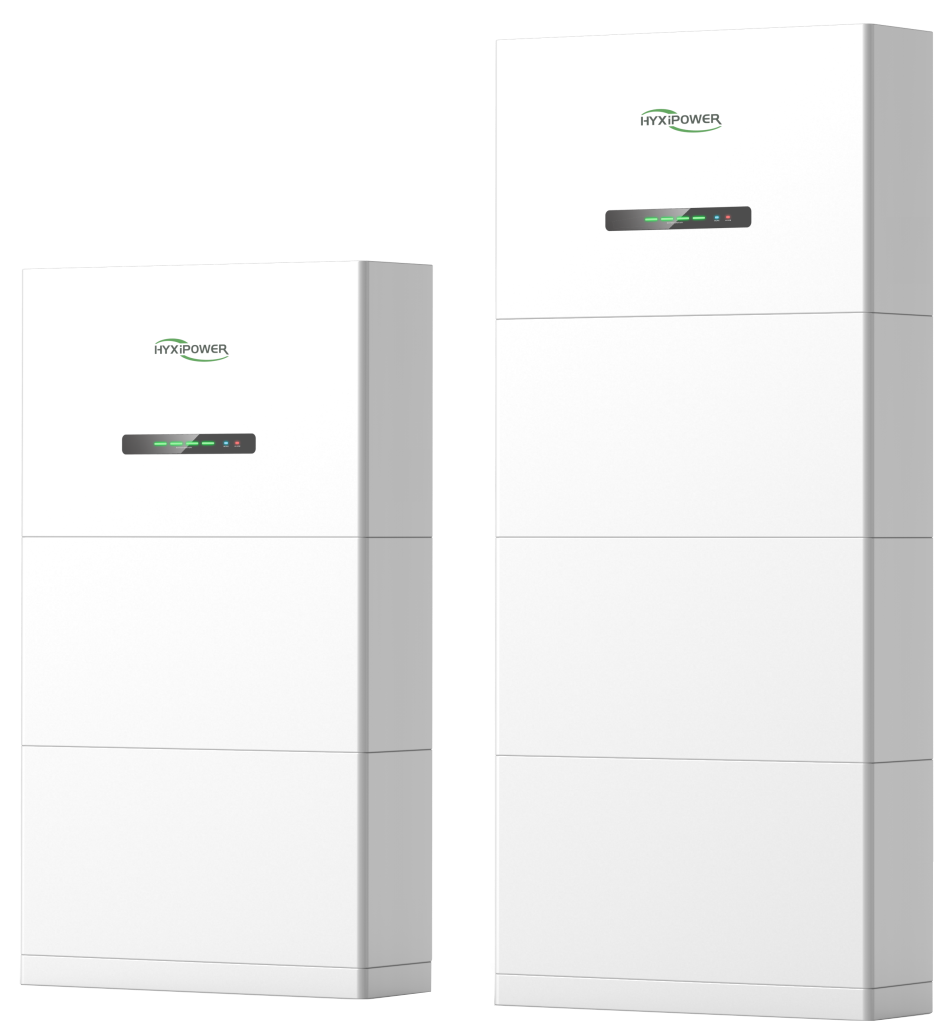
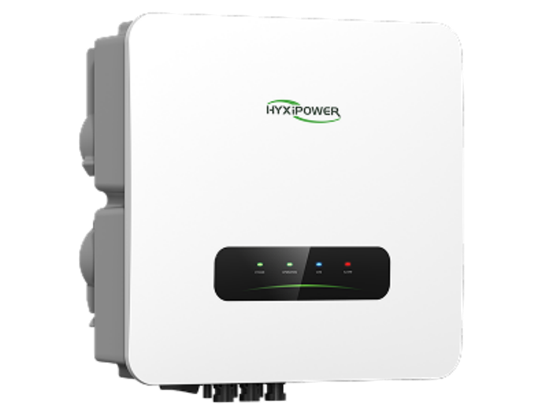
HYXiPOWER’s models (like the H3K/3K6-HS1 Single-Phase and H5K/8K-HT Three-Phase Hybrid Inverters) fully embody smart advantages: app monitoring lets you manage systems from anywhere, IV diagnostics pinpoints faults without on-site guesswork, and dynamic MPPT optimizes energy capture daily. They also retain practical reliability features—Type Ⅱ surge protection shields against electrical spikes, while IP65/IP66 ratings resist dust and water in harsh sites. These design choices directly solve installers’ pain points: less time spent on maintenance, faster troubleshooting, and fewer callbacks from clients.
Conclusion
Smart inverters outperform regular ones in reliability, usability, and operational intelligence—and the HYXiPOWER Inverter range embodies these advantages. HYXiPOWER’s focus on solving real installer and client challenges is clear in features like quick installation, robust protection, and smart diagnostics. For dealers and installers, choosing a smart inverter isn’t just upgrading technology—it’s upgrading the service you provide, backed by a brand with a track record of practical innovation.