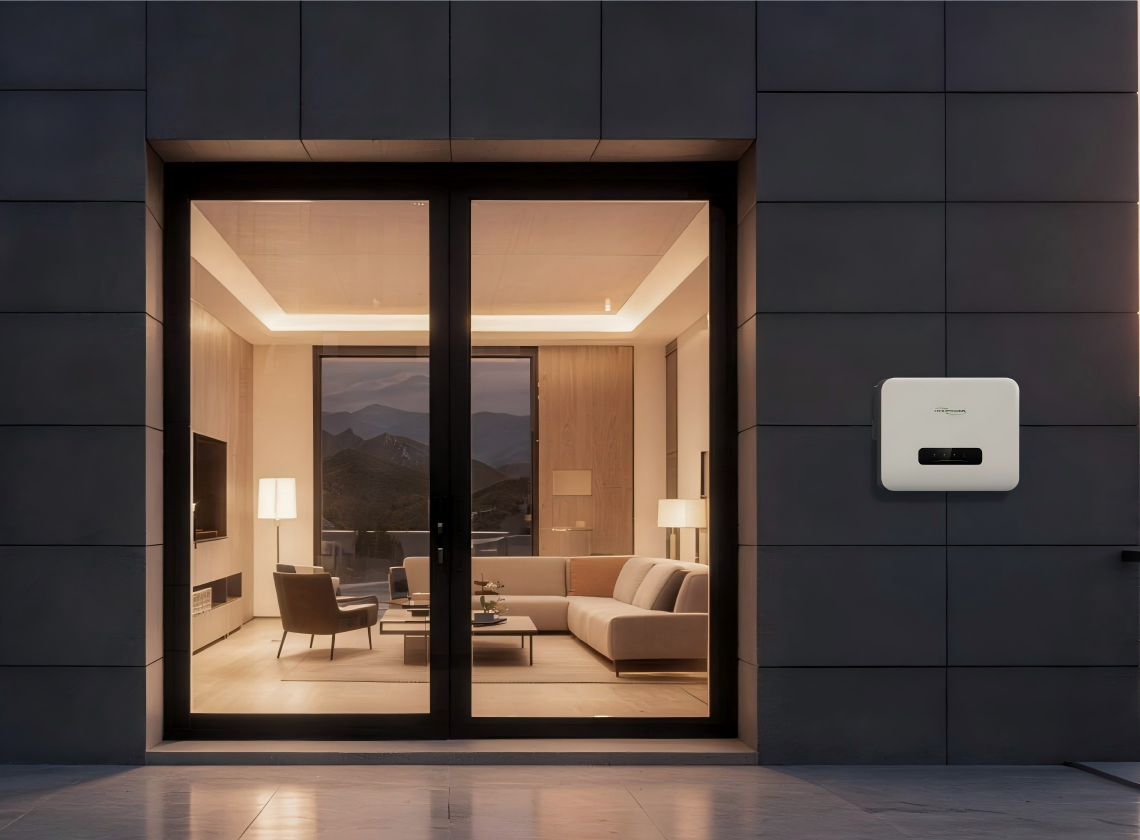
When designing a home solar setup, choosing the right inverter is critical—and a solar inverter system for a home often comes down to three options: string, micro, or power optimizer inverters. Each converts solar DC to AC differently, with the best pick depending on a home’s roof, shading, and budget. At HYXiPOWER, a high-tech enterprise specializing in smart PV & ESS, our Residential String Inverter PV Solution is a reliable solar inverter system for the home, balancing efficiency for the residential projects we handle.
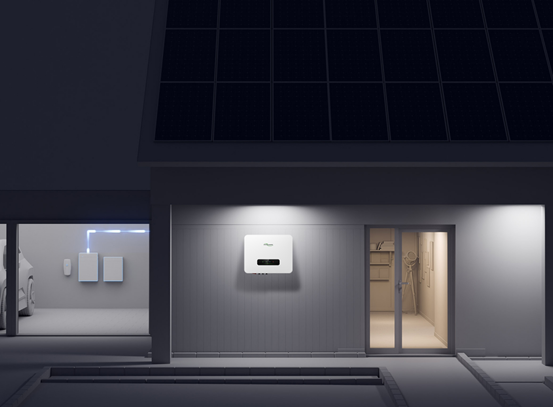
String Inverters: Simple, Cost-Effective for Uniform Roofs
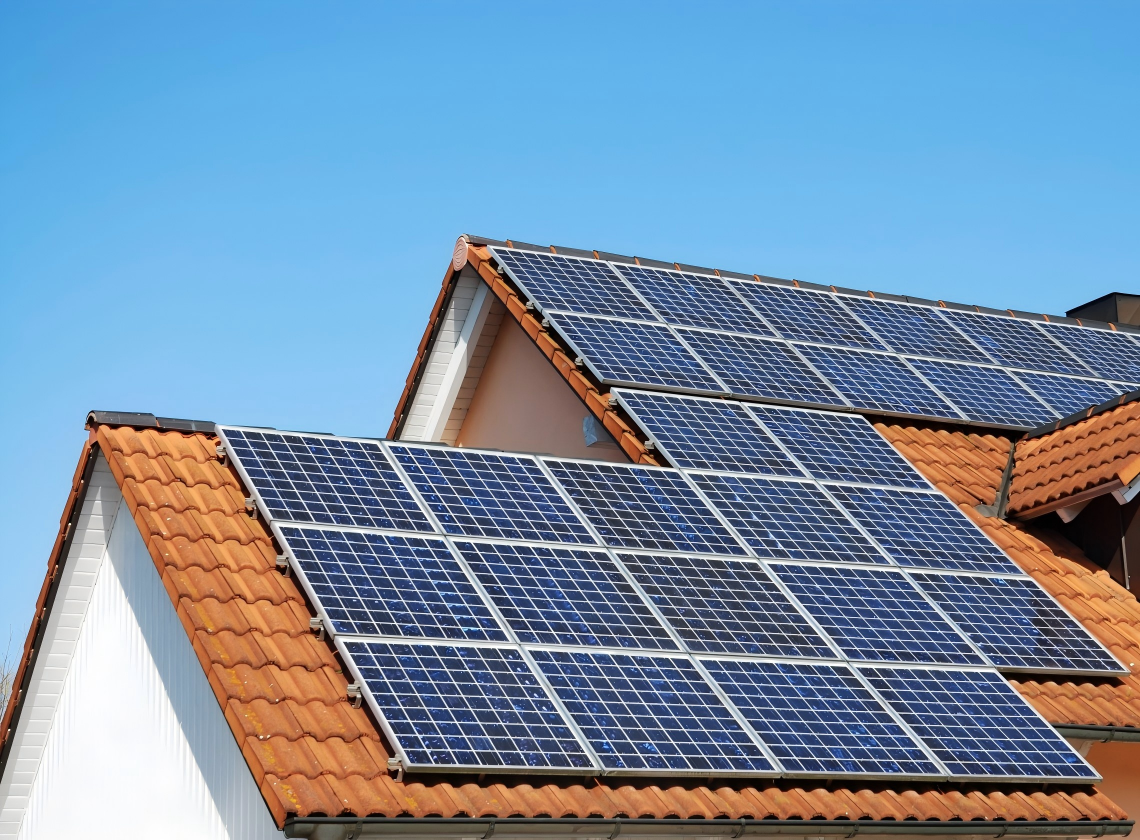
String inverters are the most common solar inverter system for a home, connecting multiple panels in a “string” to one inverter. They work best for unshaded roofs with consistent sunlight—no single panel drags down the whole string. HYXiPOWER’s string inverter system for the home has 98.5% conversion efficiency and 160% over-sizing, letting us install more panels to maximize power (and client returns) in peak sun.
Installation is straightforward too: our solution has one-click power station configuration, so we can set it up quickly. For budget-focused clients, string inverters are the most affordable solar inverter system for the home, with fewer components than micro or power optimizer options.
Micro Inverters: Panel-Level Optimization for Shaded Roofs
Microinverters pair one inverter per panel, optimizing each independently—ideal for shaded or irregular roofs. Unlike string inverters, a shaded panel won’t reduce others’ output.
But microinverters have higher upfront costs (more parts) and longer install times. They also rely on wireless connectivity, which can struggle in homes with thick walls. For us, micro inverters only make sense if shading is a major issue—otherwise, HYXiPOWER’s string system is a better value.
Power Optimizers: Middle Ground for Partial Shading
Power optimizers mount on each panel but send power to a central string inverter. They handle partial shading, balancing performance and cost as a middle-ground solar inverter system for the home.
Yet they add complexity: we need both optimizers and a string inverter, meaning more wiring and setup time. They also don’t always match the efficiency of HYXiPOWER’s string system in unshaded conditions, thanks to its high conversion rate.
Safety and O&M: Key Considerations
Safety and maintenance matter for any solar inverter system for the home. HYXiPOWER’s string system includes Type Ⅱ DC/AC surge protection (for lightning/voltage spikes) and optional AFCI. It also has intelligent IV curve diagnosis, letting us spot issues remotely—no roof climbs, saving time.
Conclusion
The best solar inverter system for home depends on shading, budget, and roof design. For most unshaded, uniform roofs, HYXiPOWER’s string inverter system for the home is best: cost-effective, efficient, easy to install, with safety features that cut long-term headaches. Micro and power optimizers have niche uses, but neither beats a well-designed string system. Backed by 200+ global certifications, HYXiPOWER’s solar inverter system for the home helps us deliver reliable setups that keep clients happy.