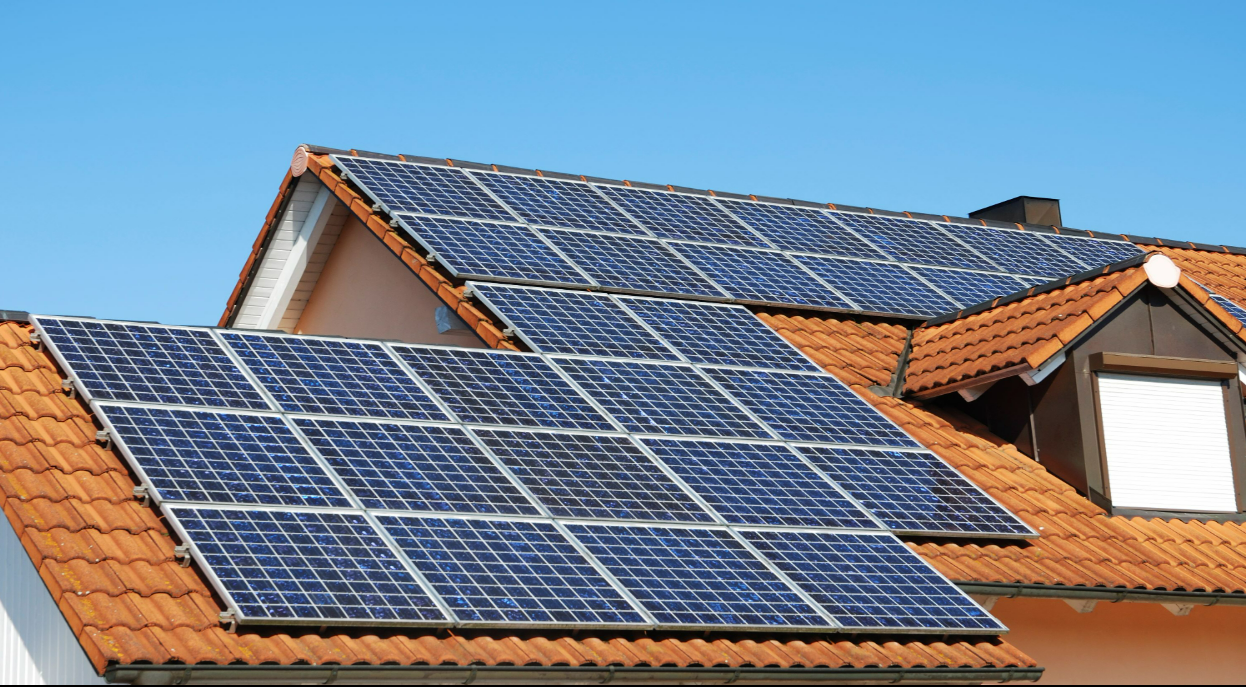
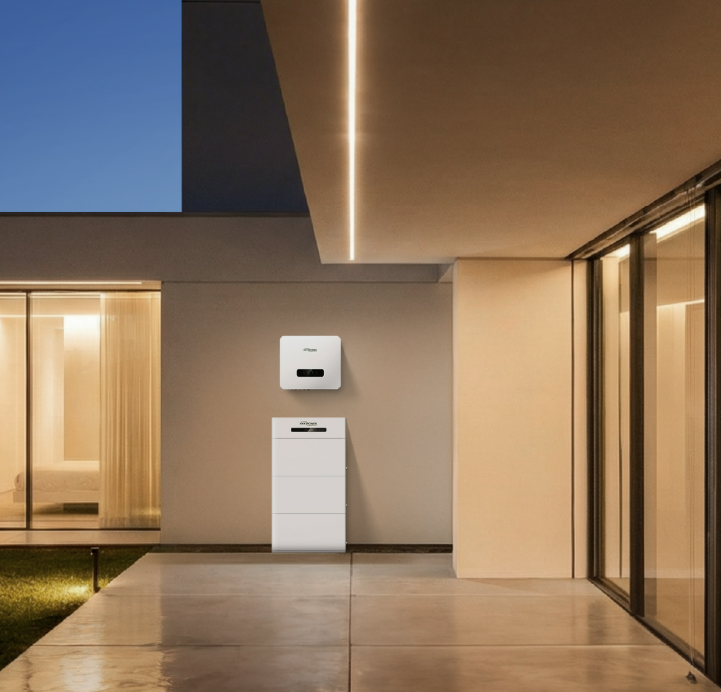
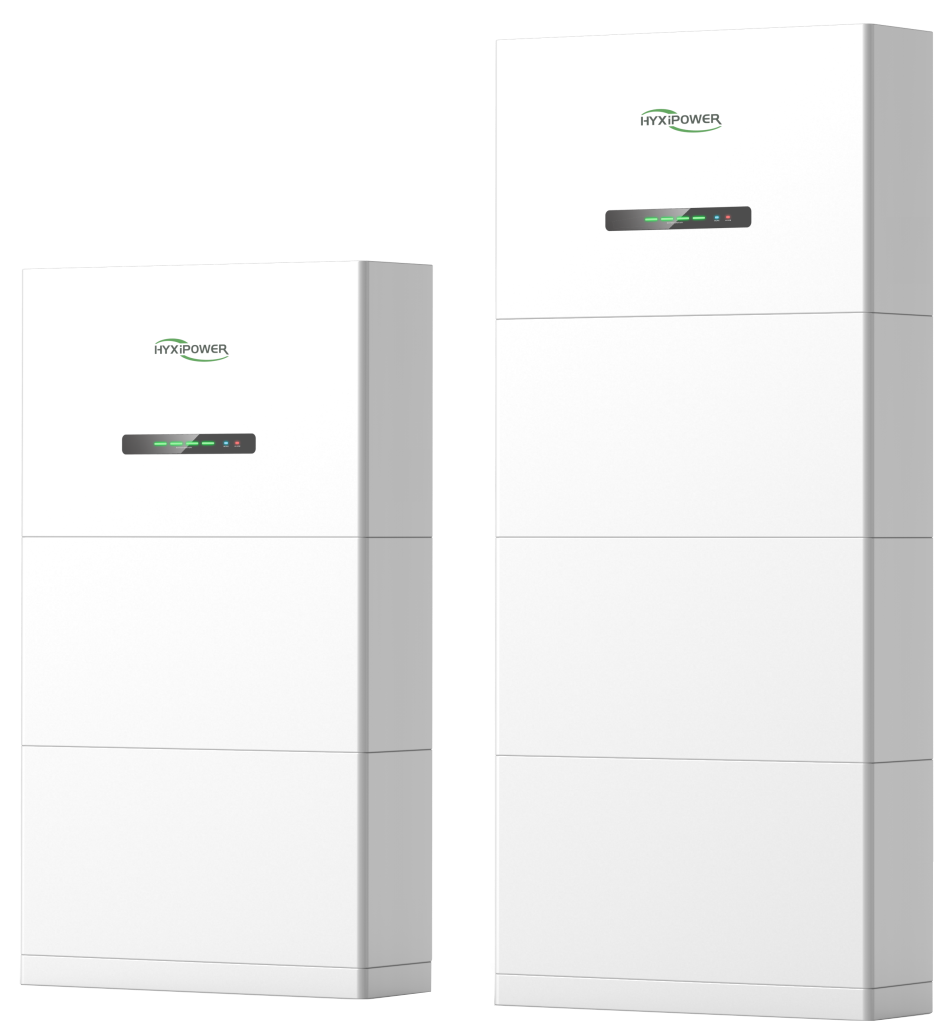
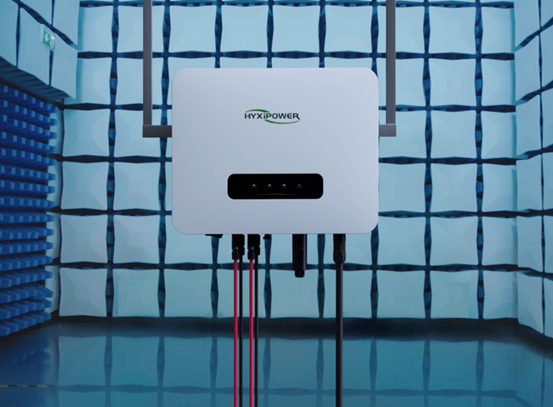
Understanding the role of a hybrid inverter helps installers and energy solution providers maximize value for clients—this device goes beyond basic power conversion to unify solar panels, batteries, and the grid into a cohesive system. At HYXiPOWER, we’ve designed hybrid inverter models like the H3K/3K6/4K/4K6/5K/6K/8K-HS Single-Phase Hybrid Inverter and H50K/75K/80K/99K9/100K/110K/125K-ET Hybrid Inverter to simplify this integration, making solar systems more flexible and efficient. Let’s start by defining what a hybrid solar inverter is, then break down how it operates in real-world use.
Defining a Hybrid Solar Inverter: More Than a Basic Converter
A standard inverter only converts DC power from solar panels to AC for immediate use or grid feed-in. A hybrid inverter, by contrast, adds battery storage compatibility—letting clients store excess power for later and switch between solar, battery, and grid power seamlessly. Our HS Single-Phase Hybrid Inverter, for example, supports 35A battery fast charging/discharging, so it can quickly store midday solar surplus and use it at night. The ET Hybrid Inverter takes this further with a DC-coupled design, which cuts system costs by connecting batteries directly to the DC side, reducing energy loss during conversion. This dual focus on conversion and storage is what makes a hybrid inverter unique.
How a Hybrid Inverter Works: A 3-Step Process
The operation of a hybrid inverter follows a straightforward, client-centric cycle. First, power capture and conversion: When the sun is shining, the hybrid inverter converts DC power from PV panels to AC—our ET model achieves up to 98.6% PV-side conversion efficiency, ensuring minimal energy waste. Second, power distribution: The inverter sends AC power to power household/business loads first; any excess is directed to batteries for storage (the HS model’s 160% overload capacity handles sudden surges in production). Third, power switching: When solar production drops (e.g., at dusk), the hybrid inverter automatically switches to battery power—both our HS and ET models offer UPS-grade seamless on/off-grid switching, so clients don’t experience downtime. If batteries run low, it draws from the grid, keeping power consistent.
Why This Matters for Installers and Dealers
Offering a hybrid inverter adds value to your services. Clients want systems that reduce grid dependence and lower bills—our ET model’s AI-powered time-of-use optimization helps with this, automatically using stored power during peak grid pricing. Installation is also simplified: the HS model has a 30-minute quick setup and app-enabled configuration, cutting your team’s on-site time. Plus, these HYXiPOWER hybrid inverter models include safety features like Type II surge protection and 300m AFCI detection, ensuring compliance with global standards and reducing post-installation issues.
Conclusion
A hybrid inverter is the core of a flexible solar system, uniting panels, batteries, and grid power to boost efficiency and reliability. HYXiPOWER’s HS and ET models embody this, with features tailored to both client needs (cost savings, consistent power) and installer priorities (easy setup, safety). For energy solution providers, recommending a hybrid inverter isn’t just upgrading hardware—it’s delivering a complete, future-proof solar solution that stands out in a competitive market.