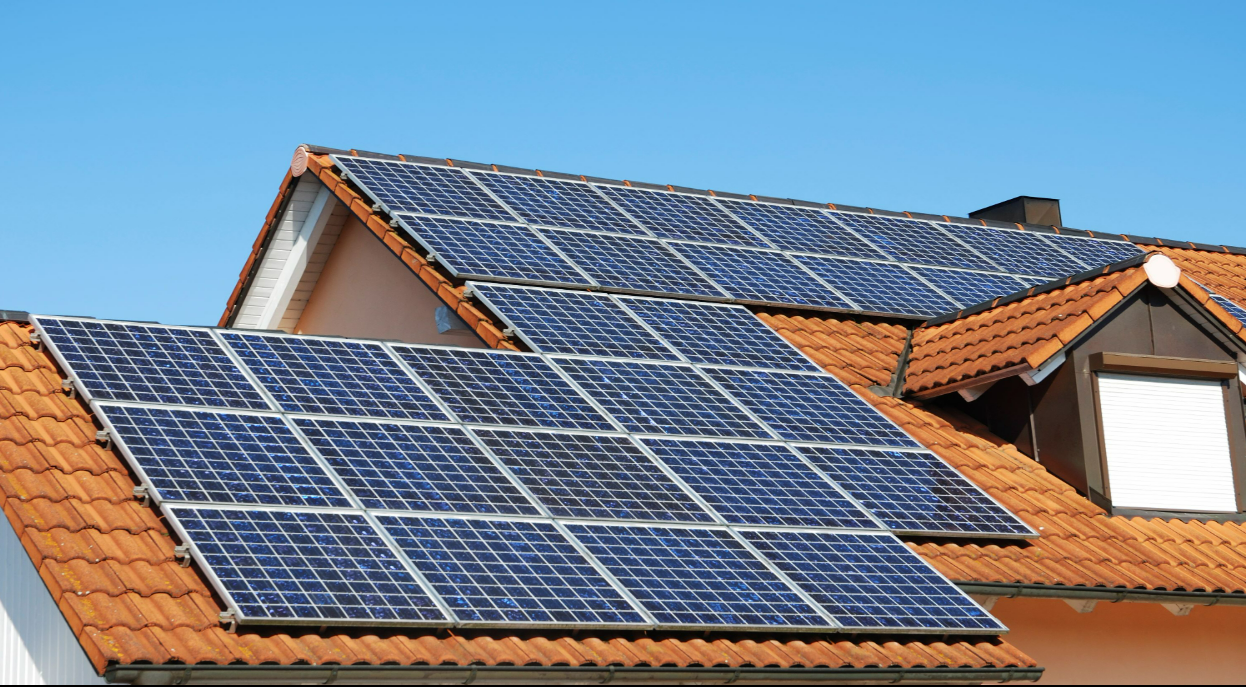
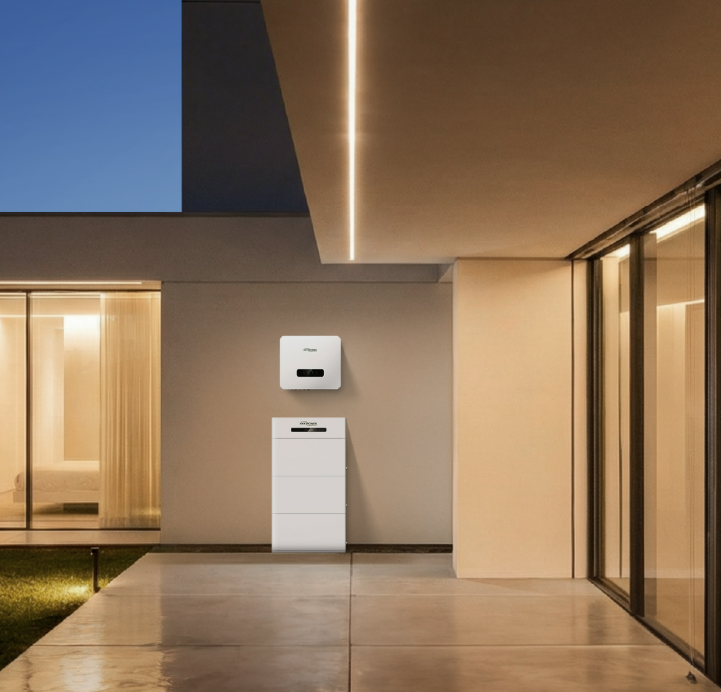
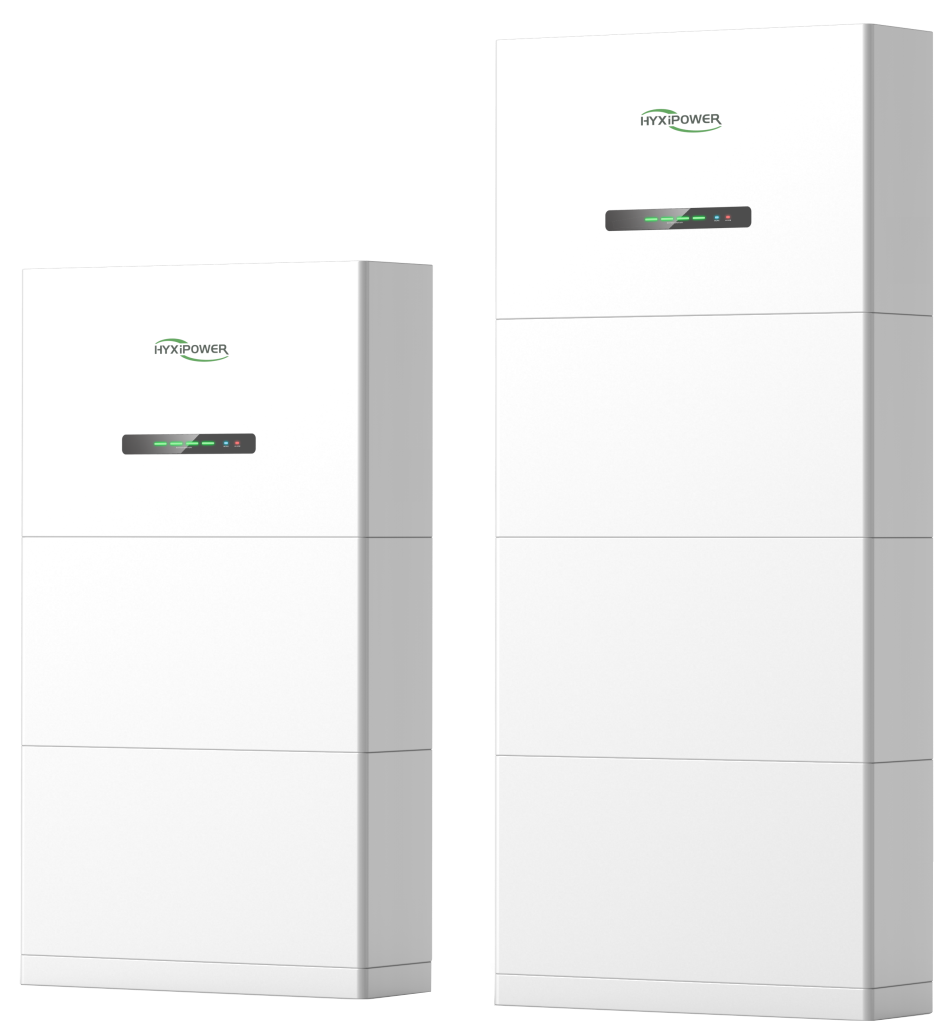
In our work with renewable energy projects, we’ve noticed a growing interest in solar battery storage systems—both at the grid level and distributed across commercial or industrial sites. As our team evaluates these technologies, it’s clear that choosing the right storage approach can significantly impact efficiency, reliability, and financial returns. Whether it’s large-scale grid integration or localized storage, understanding the distinctions helps us design smarter energy solutions for our clients.
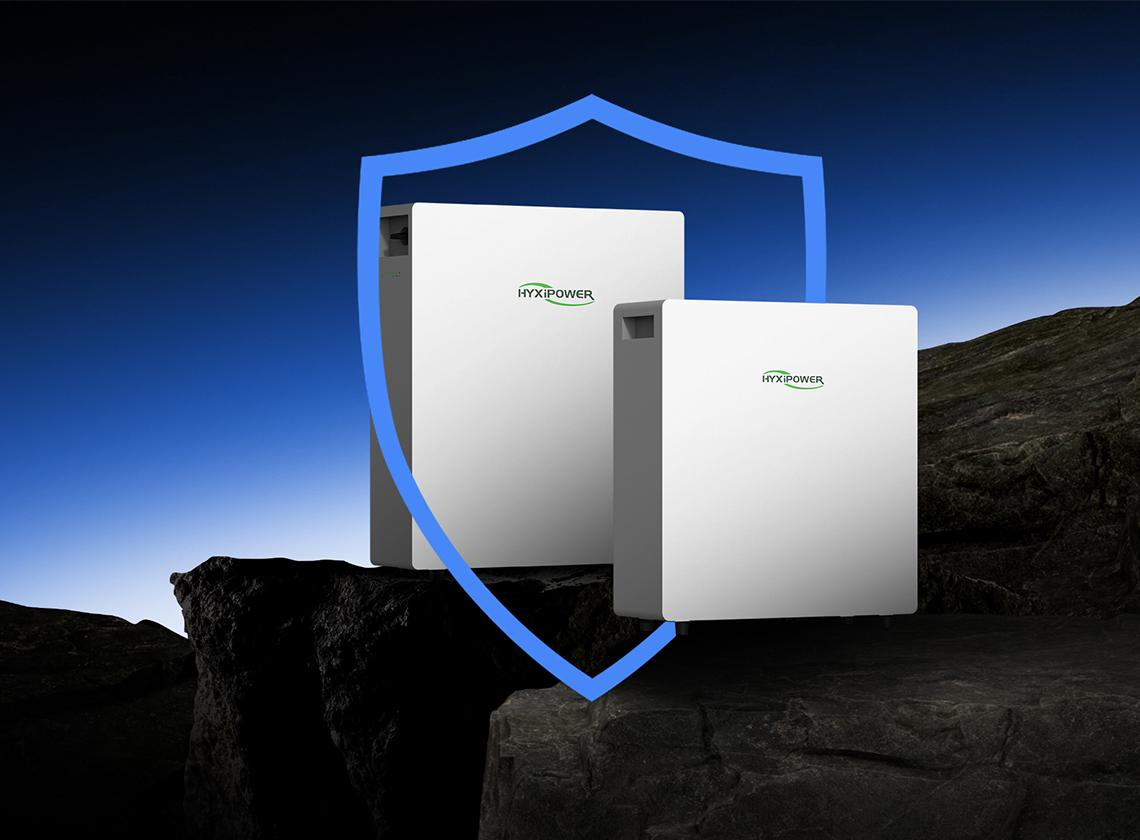
Centralized Grid Storage: Stability at Scale
Grid energy storage plays a vital role in maintaining stability for utility-scale operations. By storing excess renewable energy from solar farms or wind projects, grid storage reduces fluctuations and ensures a consistent supply. Our team has seen how integrating high-capacity solar battery storage systems can prevent grid overload, support peak demand, and provide backup during unforeseen outages. Using HYXiPOWER’s E50/100-H3 Hybrid ESS Cabinet, we can leverage a high-voltage, DC-coupled architecture to minimize energy losses while delivering rapid 20ms on/off switching for emergencies. The result is a highly efficient system capable of supporting megawatt-scale energy management.
Distributed Storage: Flexibility and Resilience
While grid-scale storage is powerful, distributed systems offer remarkable flexibility. For commercial or industrial facilities, installing solar battery storage systems onsite allows for enhanced energy autonomy. Our team frequently recommends HYXiPOWER solutions in these scenarios, thanks to their modular design that can scale from 40kWh to over 215kWh and support on/off-grid auto switching. Wall-mounted or floor-mounted options simplify deployment, and the integrated system design reduces installation complexity. With features like maximum self-consumption and time-of-use control, businesses can lower energy costs while ensuring uninterrupted power for critical operations.
Combining Efficiency and Financial Advantage
One of the aspects our clients value most is the operational and financial benefit of hybrid storage. With HYXiPOWER’s E50/100-H3, we can create systems with up to ten on-grid units, delivering 1.25MW/2.15MWh capacity, or deploy multiple off-grid units for up to 625kW/1.075MWh. This enables peak shaving to reduce peak-hour electricity expenses and provides MWh-level backup capabilities for uninterrupted operations. Additionally, real-time monitoring through web-based platforms gives our team and clients full visibility of energy usage and earning potential, accelerating ROI while maintaining system reliability.
Making Smart Energy Work for You
Integrating solar battery storage systems doesn’t just stabilize power—it opens doors for smarter energy management strategies. With high-current MPPT for solar modules, LiFePO4 cells for safety and longevity, and ultra-efficient PV conversion, we can ensure more energy is used and less is wasted. The combination of grid and distributed storage enables businesses and utilities to adapt to changing energy demands while keeping operational costs low. Our hands-on experience with these systems demonstrates that hybrid solutions like the E50/100-H3 are both technically sophisticated and practical for real-world applications.
Conclusion
In conclusion, the choice between grid energy storage and distributed storage is not mutually exclusive—both offer unique benefits that can be optimized depending on operational needs. At HYXiPOWER, our E50/100-H3 Hybrid ESS Cabinet delivers safety, performance, and scalability in one solution, helping businesses and utilities maximize the value of renewable energy. Our team is proud to implement systems that not only stabilize power and reduce costs but also support a sustainable, low-carbon future. By leveraging cutting-edge solar battery storage systems, we help clients stay ahead in an evolving energy landscape.