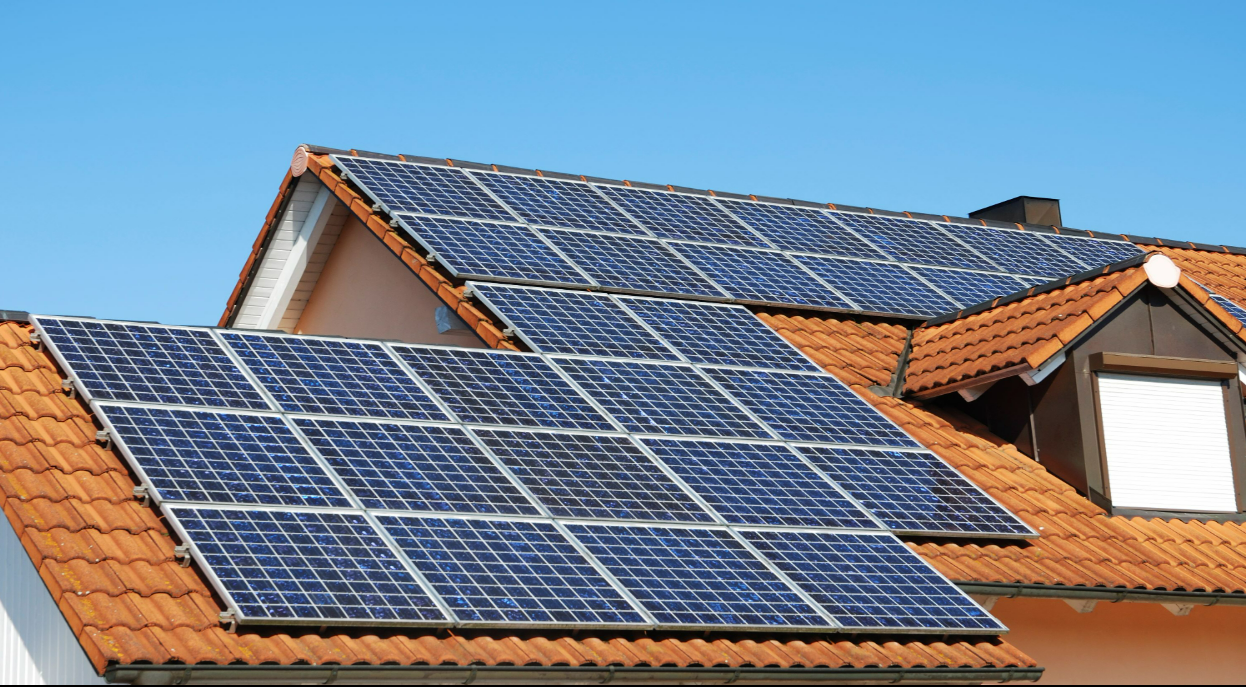
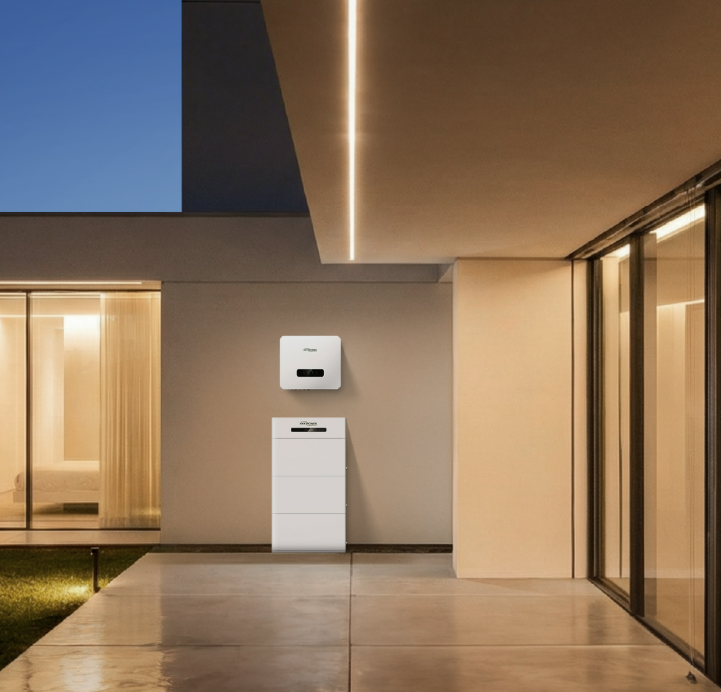
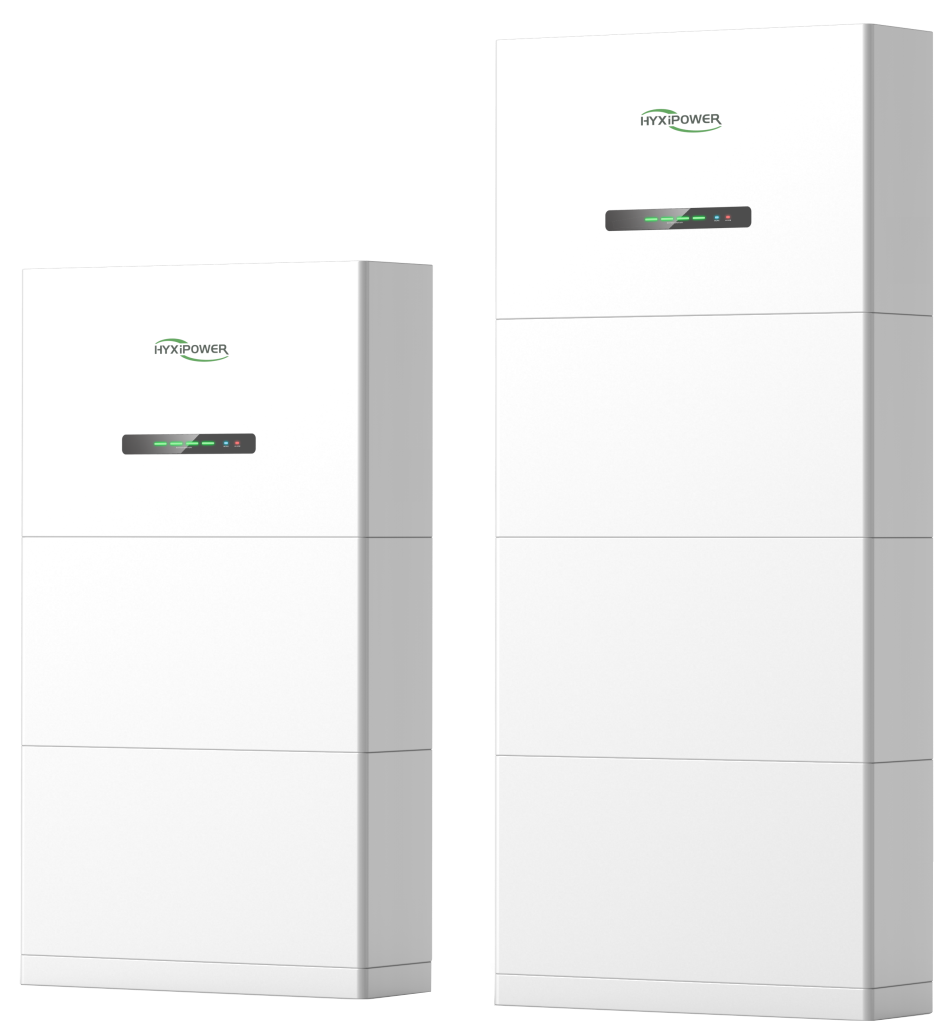
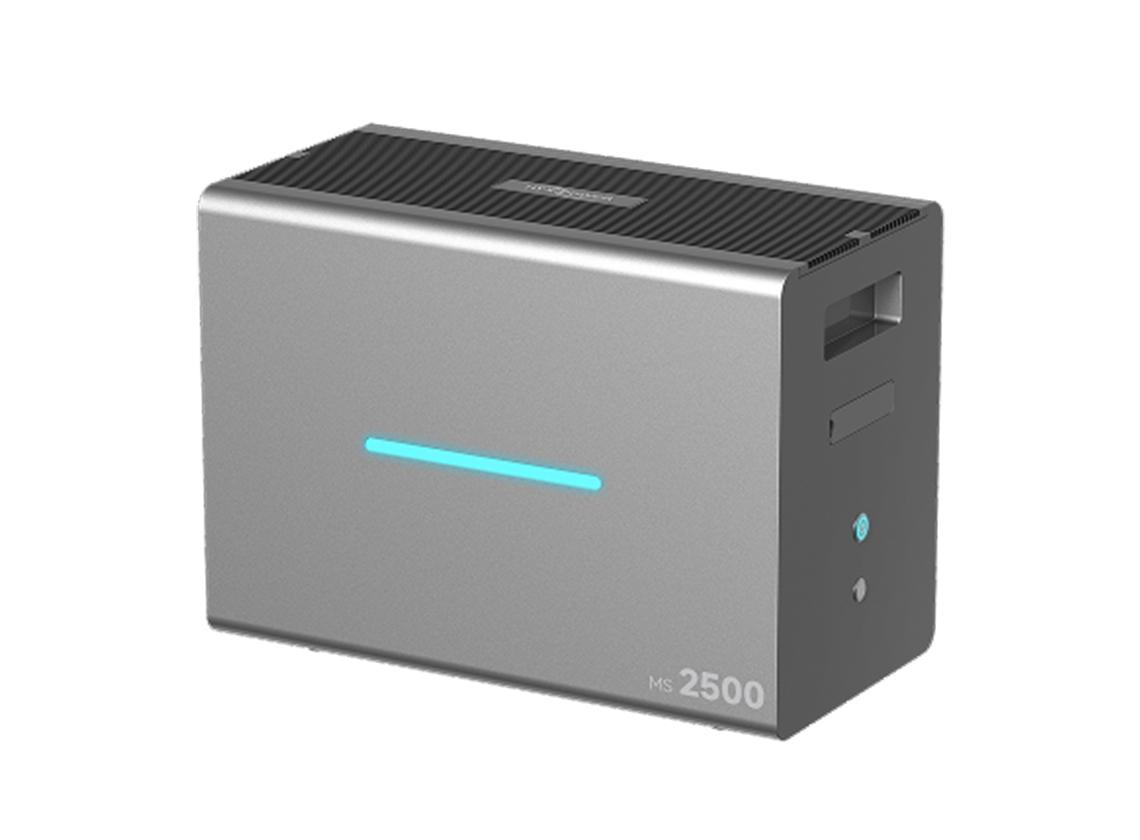
One of the first and most important choices our team must make when assessing energy storage options is the selection of solar battery systems. Performance, longevity, and overall cost-effectiveness are all impacted by the obvious distinctions between lithium and lead-acid batteries. In our experience, lead-acid batteries may still be more affordable or suitable for simpler applications, but lithium-based systems frequently offer higher efficiency and longer-term value. We have personally witnessed how cutting-edge lithium storage systems may revolutionize energy management for both residential and small commercial users with HYXiPOWER's MS-2500 Balcony Micro Storage System.
Understanding the Differences Between Lithium and Lead-Acid Batteries
In our projects, we emphasize the fundamental distinctions between lithium and lead-acid solar battery systems. Lithium batteries offer higher energy density, longer cycle life, and deeper depth of discharge, which means we can store and use more energy from the same capacity. Lead-acid batteries, while lower in upfront cost, are heavier, have shorter lifespans, and require more maintenance. With HYXiPOWER’s MS-2500, we can harness lithium technology to deliver high-efficiency power generation and reliable operation even under challenging conditions, such as extreme cold down to -20℃ or outdoor installations with IP66 protection.
Performance, Flexibility, and Efficiency
One of the key advantages we’ve experienced with lithium-based solar battery systems is flexibility in deployment. The MS-2500 supports dual MPPT with up to 1200W solar input, maximizing energy capture throughout the day. Its compatibility with 99% of microinverters allows our team to integrate it seamlessly into existing solar setups, while modular expansion up to 10.24kWh provides room for growth as energy demands increase. In practice, this means we can design systems that are both high-performing and adaptable to different roof types, apartment layouts, or small commercial sites.
Safety, Monitoring, and Reliable Operation
Safety is a priority for every installation. HYXiPOWER’s MS-2500 ensures worry-free operation through robust engineering, including an IP66-rated enclosure for outdoor use and reliable performance in extreme weather. From our perspective, integrating these lithium-based solar battery systems allows us to provide clients with peace of mind while also enabling intelligent monitoring, rapid fault detection, and easy maintenance. The combination of performance, safety, and modularity ensures a solution that is not only effective but also sustainable over the long term.
Conclusion
In conclusion, the debate between lithium and lead-acid batteries comes down to performance, flexibility, and long-term value. For our team, lithium-based solar battery systems like HYXiPOWER’s MS-2500 Balcony Micro Storage System offer superior efficiency, adaptable design, and reliable operation that are difficult to match with lead-acid alternatives. By leveraging these advanced storage solutions, we can help clients optimize energy use, reduce electricity costs, and enjoy seamless integration with their solar panels. HYXiPOWER enables us to deliver a safe, high-performing, and future-ready energy management experience for every installation we manage.