April 23 marks World Book and Copyright Day. In the blossoming days of spring, as life renews and knowledge takes root, we celebrate reading while also reflecting on where knowledge ultimately leads. Reading has never been confined to the page—today, knowledge is constantly stepping beyond text, being tested and applied in practice, and continuously evolving through exploration.
Supporting this process of “growth” is a foundational yet often overlooked element: smart energy. From dairy research projects in Brazil to university laboratories in China, HYXI leverages intelligent energy solutions to bring renewable energy into real-world experimental environments. In doing so, it accelerates the transition of knowledge into application, expands the boundaries of scientific innovation, and contributes to addressing broader global challenges.
HYXI in Brazil: A “Power-Generating Experimental Farm”
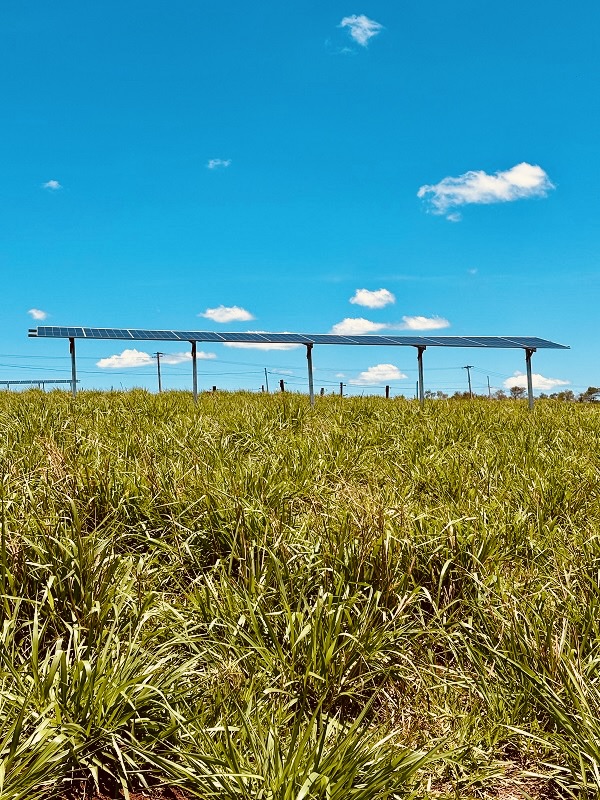
At 5 a.m., the first light of dawn touches a farm in São Paulo, Brazil. Photovoltaic panels stretch along the horizon, blending seamlessly with the pasture below, where cattle rest calmly in their shade. Sunlight flows through microinverters, transforming into electricity that powers the start of a new day.
This “power-generating experimental farm” is a pioneering research initiative jointly advanced by HYXI and the University of São Paulo. It explores how smart energy can be integrated into livestock research systems and unlock new possibilities for animal science.
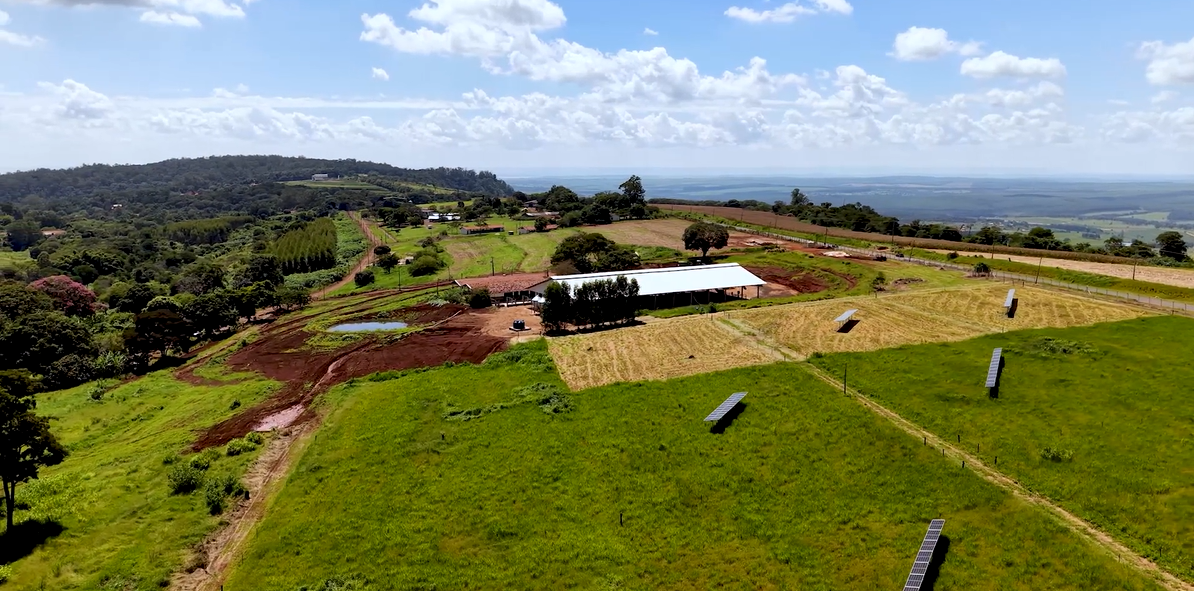
São Paulo University Farm Project, Brazil
Today, the livestock industry stands at a critical crossroads in its low-carbon transition. According to the Food and Agriculture Organization (FAO), livestock accounts for over 14% of global greenhouse gas emissions, with dairy production contributing significantly. At the same time, dairy research demands highly stable electricity—continuous operation of ventilation, lighting, and temperature control systems is essential for both experimental accuracy and animal welfare. Achieving decarbonization while maintaining productivity and welfare has therefore become a pressing industry challenge.
As a major livestock-producing country, Brazil offers an ideal testing ground for this challenge, supported by its high share of renewable energy. According to theNational Energy Balance 2025released by Brazil’s Ministry of Mines and Energy and the Energy Research Office, renewables accounted for 88.2% of Brazil’s electricity mix in 2024, with solar and wind contributing over one-third of total generation—positioning the country as a key force in the global energy transition.
To jointly address this industry challenge, HYXI partnered with the Dairy Cattle Research Group at the University of São Paulo to develop an intelligent photovoltaic system integrating scientific research, production, and renewable energy applications. The project deploys 18 units of HYXI 2000W 4-in-1 microinverters, with a total installed capacity of 43.2 kWp. The system not only supports teaching and research within the School of Veterinary Medicine and Animal Science, but also extends into dairy production scenarios. By enabling synchronized energy supply and data collection under real operating conditions, it deeply embeds the energy system into the research framework and offers a more practical, forward-looking pathway for the application of smart energy in agricultural research.
Stable and clean electricity injects sustained momentum into the farm. While advancing sustainability goals, it also delivers multiple benefits: reliable power ensures the stable operation of research equipment highly sensitive to electricity supply, safeguarding uninterrupted dairy production processes and enhancing overall operational efficiency. Meanwhile, optimized ventilation, lighting, and temperature control systems subtly improve livestock living conditions and welfare, creating more consistent and controllable experimental environments. This, in turn, enhances the reliability and comparability of research outcomes, driving more efficient synergy between scientific research and production.
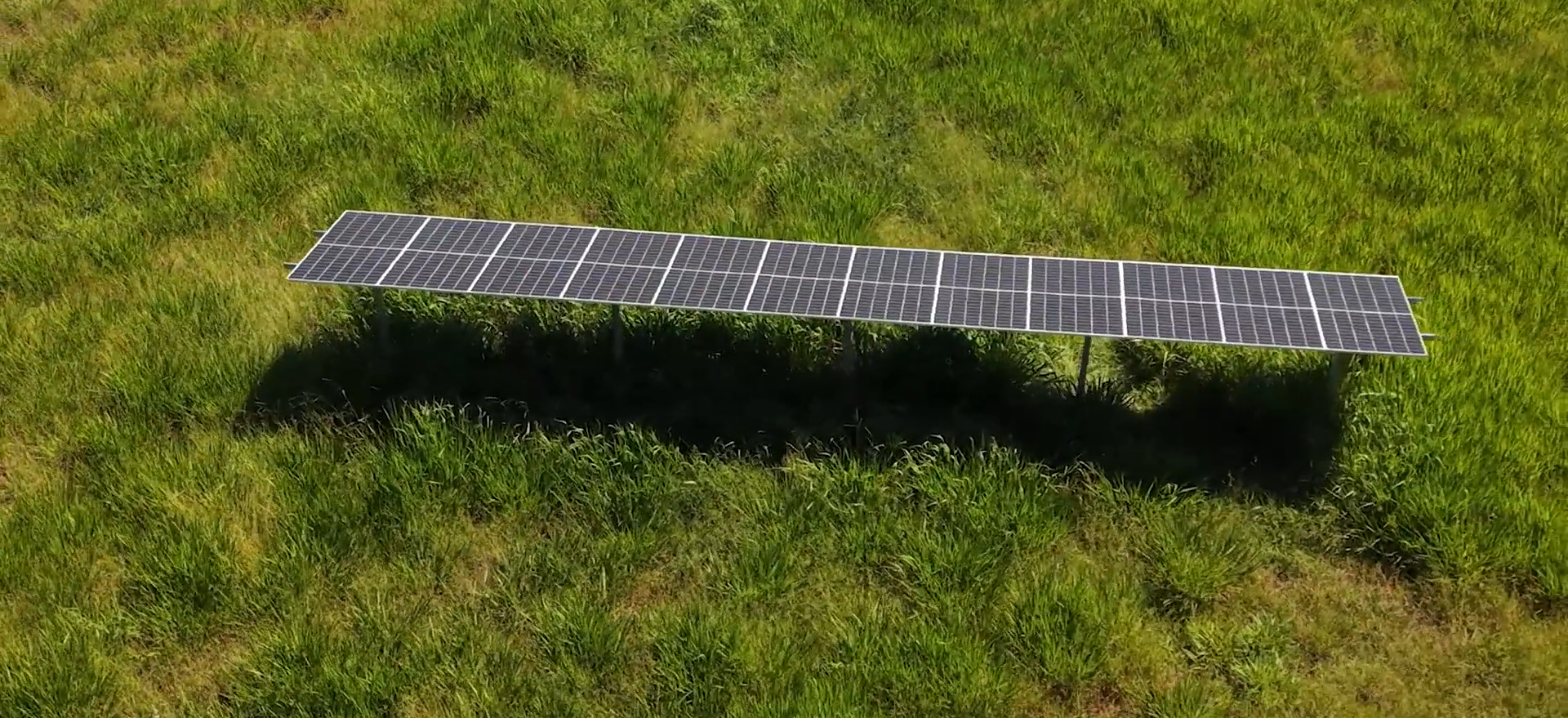
São Paulo University Farm Project, Brazil
The deeper value lies in the “real-world scenario” created by this system. Unlike traditional laboratory settings, the project integrates the photovoltaic system directly into the farm, enabling researchers to continuously evaluate system performance under real conditions and accumulate long-term operational data. At the same time, this approach is reshaping teaching methods—allowing students to understand the synergy between energy and production within real application environments, and fostering the development of interdisciplinary talent.
Empowered by renewable energy, this “power-generating experimental farm” not only addresses the decarbonization challenges of the livestock industry, but also redefines the relationship between energy, research, and production—offering a more forward-looking model for the integration of agriculture and scientific research worldwide.
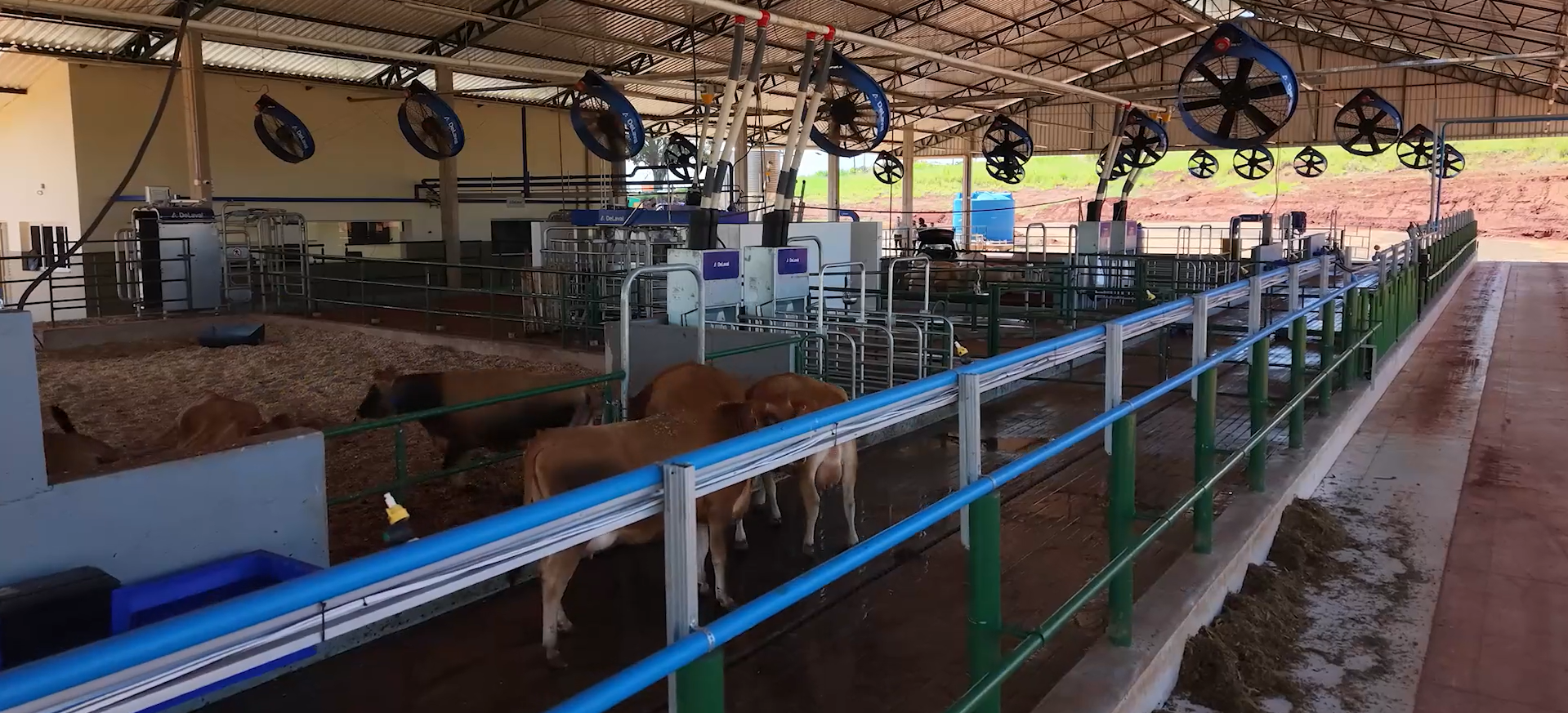
São Paulo University Farm Project, Brazil
HYXI in China: The “Invisible” Infrastructure for Scientific Research
Years ago, HYXI began systematically exploring the integration of renewable energy into university research scenarios in China—gradually transforming energy systems from tools that support classroom teaching into critical components underpinning cutting-edge scientific research.
Guided by China’s carbon peaking and carbon neutrality goals, universities are increasingly becoming key platforms for the country’s energy transition. On one hand, campuses feature complex energy consumption structures and concentrated loads, providing natural conditions for building integrated energy systems. Per capita energy use can exceed three times the national residential average, making the need for green transformation particularly urgent. On the other hand, since the Ministry of Education of the People's Republic of China released theImplementation Plan for the Construction of a National Education System for Green and Low-Carbon Developmentin 2022, supportive policies have continued to advance, accelerating the integration of renewable energy into campus energy systems and research practices.
In alignment with this trend, HYXI deployed a distributed photovoltaic system at Huazhong Agricultural University in 2023, based on 2000W 4-in-1 microinverters. The project serves as a demonstrative case for applying renewable energy technologies in aquaculture research. Relying on the Key Laboratory of Aquaculture Facilities Engineering under the Ministry of Agriculture and Rural Affairs of the People's Republic of China, it supports a provincial-level research initiative in Hubei focused on overcoming key technological gaps in agricultural machinery and equipment—specifically targeting the development and demonstration of critical technologies and systems for intensive freshwater fish farming.
To address the high energy consumption and costs associated with key processes such as oxygenation, water circulation, and feeding in high-density aquaculture, the project introduces a photovoltaic power generation system. This provides a stable supply of renewable energy for aquaculture operations, reducing dependence on the external grid, lowering carbon emissions, and improving the overall sustainability of energy use. The initiative not only aligns with China’s “dual carbon” goals—peaking carbon emissions by 2030 and achieving carbon neutrality by 2060—but also offers a valuable, replicable model for deploying renewable energy in energy-intensive agricultural research scenarios.
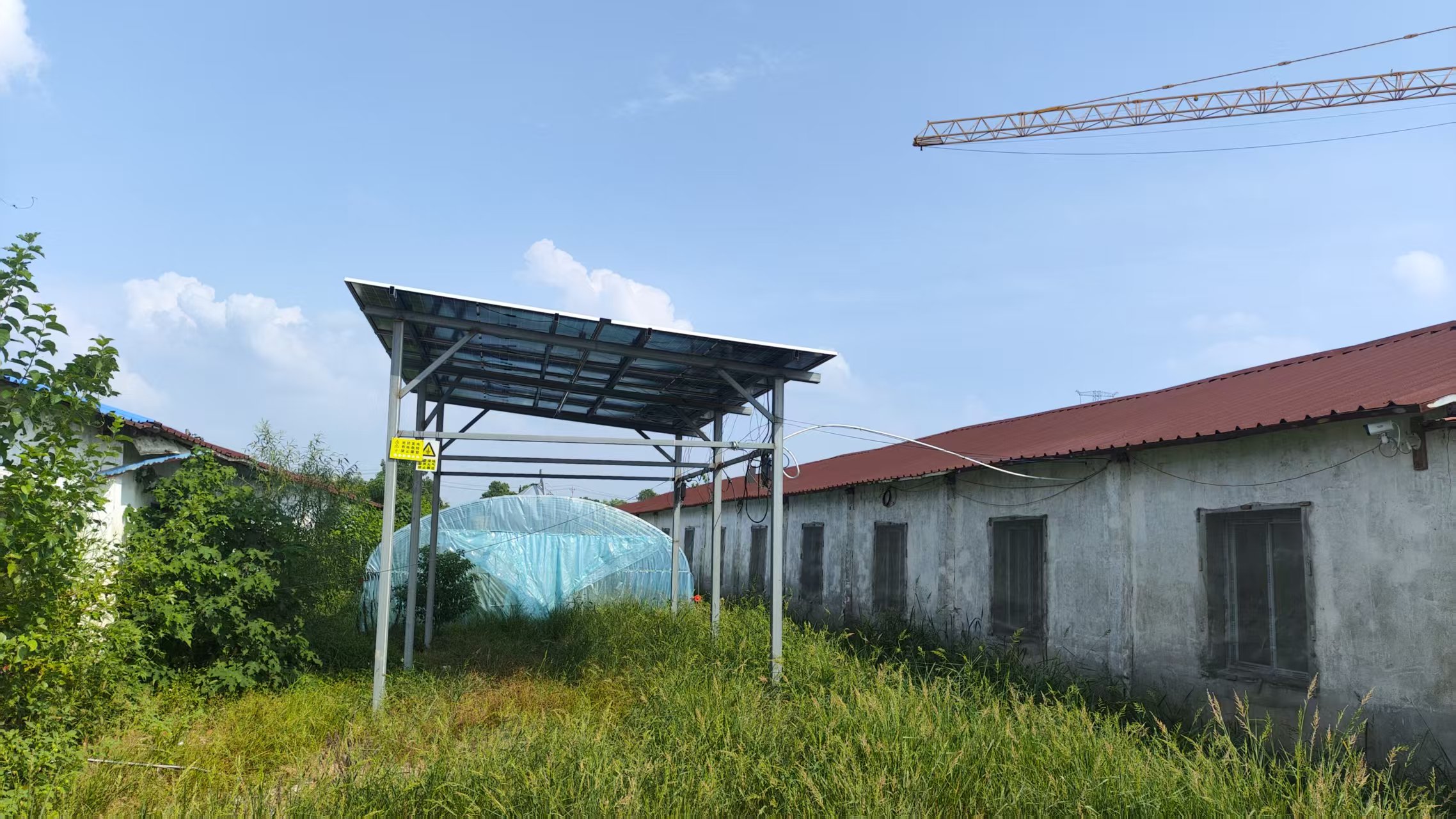
Aquaculture Project at Huazhong Agricultural University
Core Enabler: An Energy System Designed for High-Demand Scenarios
From foundational teaching to scientific practice and onward to advanced materials research, energy systems are increasingly becoming the “invisible infrastructure” underpinning university innovation ecosystems. Compared with conventional energy use scenarios, research environments place higher demands on energy systems—not only requiring stable power supply, but also enhanced safety and flexible dispatch capabilities. In response, HYXI delivers an integrated product portfolio across multiple scenarios, consistently demonstrating core strengths such as high efficiency, reliability, flexible design, and intelligent operation and maintenance in real-world applications.
In distributed applications represented by the Brazilian farm and Huazhong Agricultural University, microinverters serve as the “heart” of system operation. As one of HYXI’s flagship products, its microinverter series has received the EUPD Top Innovation Award and has been widely deployed in photovoltaic projects worldwide. With module-level control and independent monitoring, the system maintains stable output under complex environments and fluctuating loads, while enabling more refined energy management and data collection. This higher level of granularity allows photovoltaic systems not only to deliver continuous power, but also to provide traceable and analyzable data to support research processes—facilitating more effective synergy between experimentation and production.
As PV and ESS technologies and AI technologies continue to evolve, the role of energy systems is undergoing a fundamental shift—from a single-function power supplier to an integrated platform combining energy provision, data generation, and dispatch capabilities. On farms in Brazil, it connects energy with animal science; in laboratories in China, it supports innovative research among different industries; and across broader research and industrial scenarios, it is becoming a critical infrastructure driving forward breakthroughs in knowledge.
This transformation is also redefining the role of energy companies—from equipment providers to connectors between research and industry. Through the integration of photovoltaics, energy storage, and digital capabilities, energy is embedded throughout the research lifecycle, providing continuous and reliable foundational support for cutting-edge exploration while contributing to broader global challenges.
As technological advancement and the integration of science and education continue to deepen, a forward-looking and replicable pathway for energy transition is becoming increasingly clear. HYXI is committed to advancing the shift from “power supply” to “empowerment,” ensuring that every unit of energy becomes a sustained driving force for scientific and industrial progress.