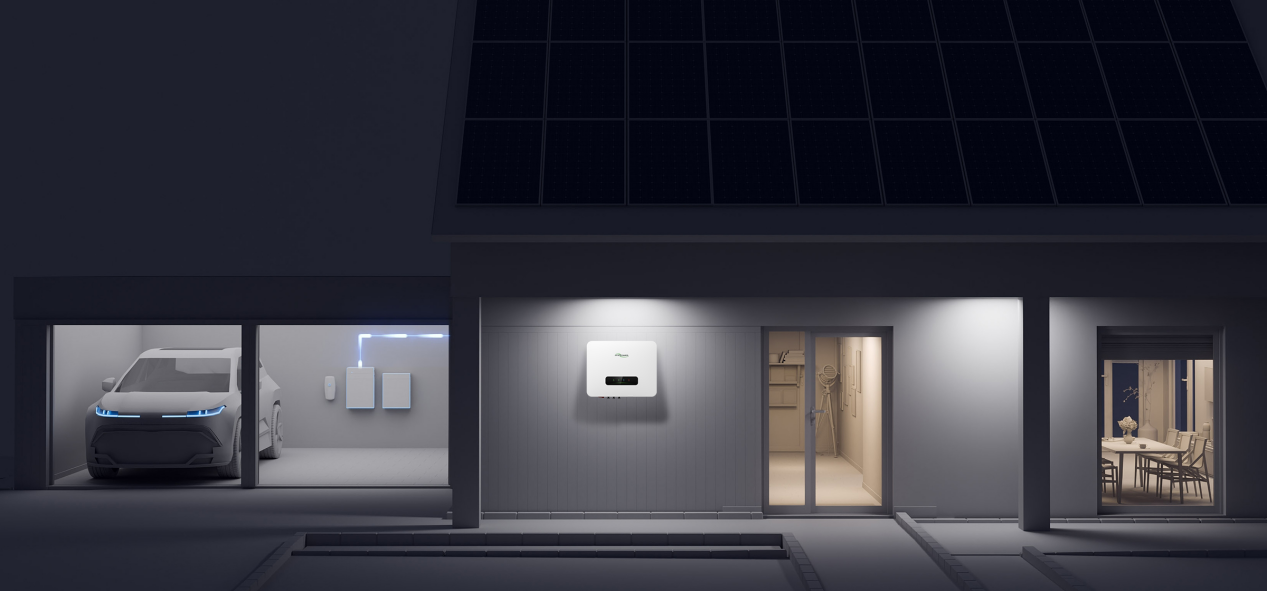
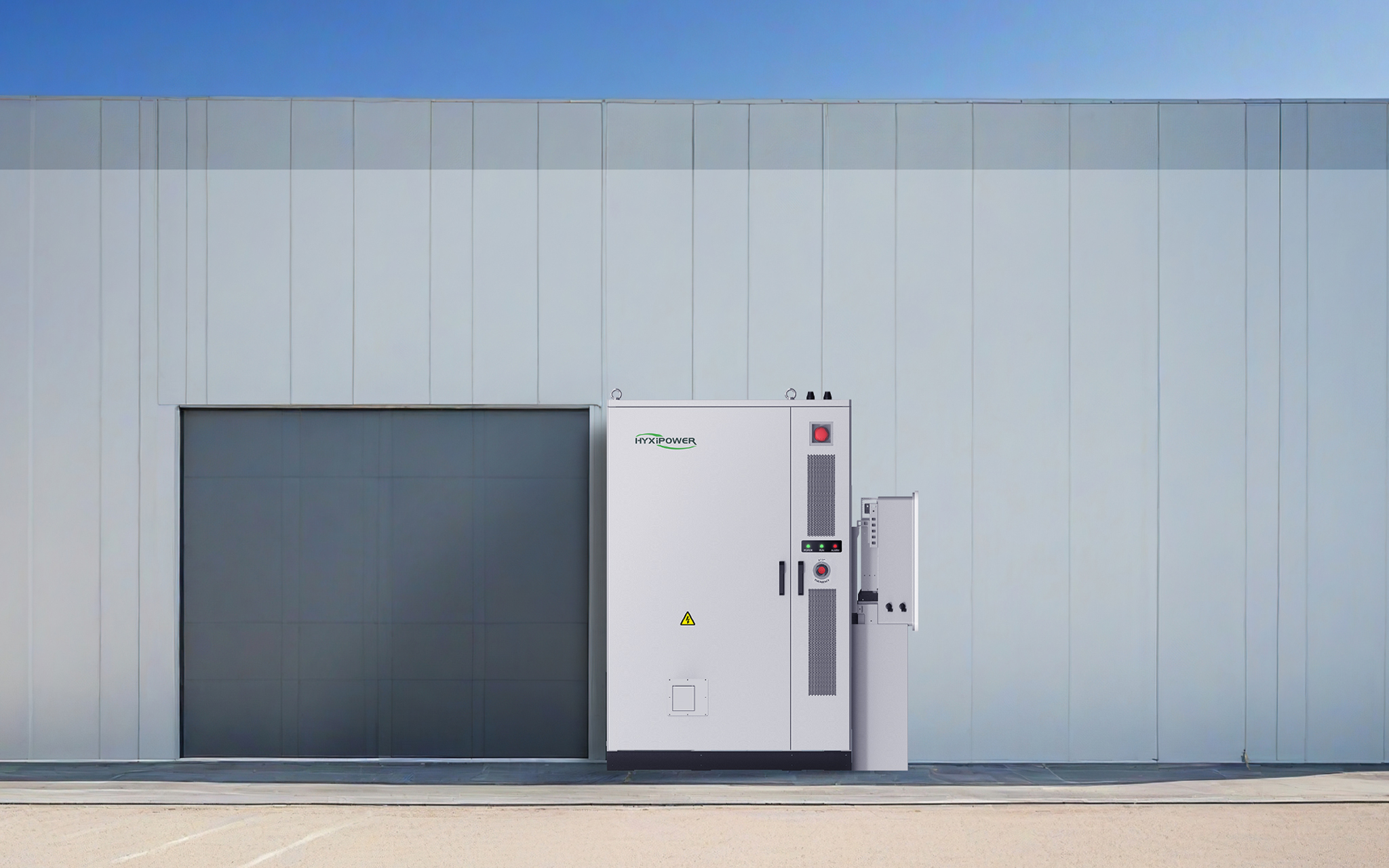
“If you fail to plan, you are planning to fail.” This saying rings especially true for commercial solar installations. There is no one-size-fits-all commercial solar energy solution. Only through careful, informed planning can your installation maximize energy efficiency, optimize investment returns, and deliver reliable long-term performance. This guide highlights the key steps to plan an effective commercial solar solution.
Step 1: Analyze Your Energy Demand
The very first step is to dive deep into your energy data. It’s never enough to just look at the total monthly bill. You must understand how and when your facility uses power.
Start by analyzing historical electricity bills, ideally spanning 12 to 24 months, to identify seasonal trends and baseline consumption.
Next, identify peak demand periods by examining your load profiles. If your operations have high power spikes during specific hours, your commercial solar energy solution needs to account for this to reduce demand charges from utility providers.
Don’t forget to forecast your energy needs for the next 5–10 years. Account for planned expansions, new equipment, and potential changes in operating hours. A forward-looking assessment ensures you won’t outgrow your system shortly after installation. Step 2: Assess Space Conditions
A thorough site audit is essential to determine the most viable configuration of your commercial solar solution.
Evaluate whether rooftop or ground-mounted installations are more suitable based on available area, structural integrity, and accessibility. Rooftops must be assessed for load-bearing capacity and roof condition, while ground installations require adequate land and zoning compliance.
Shading, roof tilt angle, and orientation are equally important. Local weather patterns such as snowfall, wind loads, and temperature extremes also affect system performance and mounting requirements. Step 3: Select the Right System Type
Choosing the right system type depends on energy goals, grid availability, and reliability requirements. On-grid systems are the most common choice for commercial facilities connected to a stable utility grid. They reduce electricity bills by offsetting on-site consumption and often allow excess energy to be exported through net metering.
Off-grid commercial solar solutions are designed for locations with limited or no grid access. These systems rely entirely on solar generation and battery storage, making them suitable for remote operations but typically requiring higher upfront investment.
Hybrid systems combine solar charging with battery storage while remaining grid-connected. They provide backup power during outages, improve energy independence, and offer greater flexibility in managing peak demand and time-of-use rates. Step 4: Estimate Cost & Return
A transparent cost-benefit analysis is required to secure internal buy-in. Look beyond the sticker price to estimate the total investment. Factor in the cost of high-quality components, professional labor, permitting, and grid interconnection fees.
Next, calculate the Return on Investment (ROI) and payback period by determining the Levelized Cost of Energy (LCOE) and comparing solar generation costs against utility rates. A typical commercial solar power solution pays for itself in 3–7 years.
Furthermore, research local tax credits, accelerated depreciation benefits, and renewable energy grants, as these incentives can significantly reduce the net capital expenditure and accelerate the ROI. Step 5: Assess Supplier Capability
The market is flooded with generic equipment, but for critical commercial infrastructure, quality is non-negotiable. Assess the supplier’s experience and qualifications. Make sure they have a proven track record in commercial projects and understand the complexities of C&I electrical codes.
Review component quality by checking certifications and specifications. For instance, top-tier storage solutions often utilize automotive-grade battery cells for higher safety and density; inverters should have high ingress protection (IP66 or higher) to withstand harsh weather.
Additionally, evaluate after-sales support to secure the long-term reliability of your investment. A warranty is only as good as the company backing it, so ensure your supplier has a robust global service network to provide rapid response times.
Final Thoughts
In a nutshell, the right commercial solar solution requires a careful balance between technical requirements and financial goals.
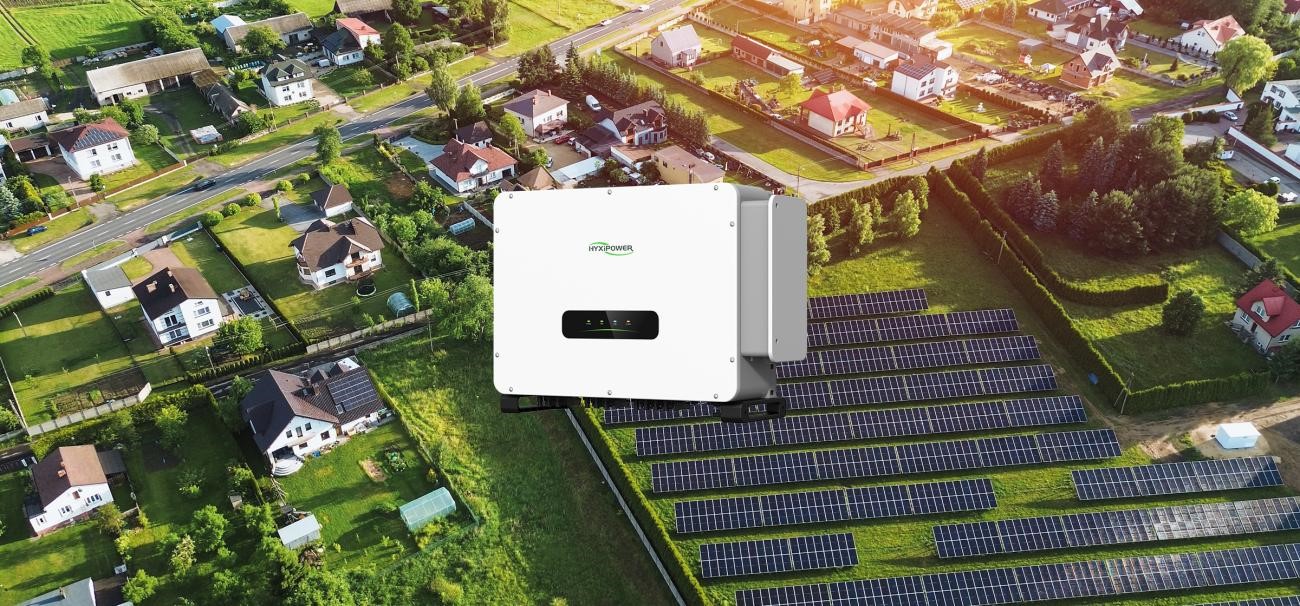
If you are looking for a reliable partner to support that balance, HYXI is a trusted C&I PV solution provider with strong R&D capabilities, automotive-grade energy storage safety, and intelligent energy management platforms. We help businesses transition to clean energy with solutions designed for long-term performance, safety, and cost efficiency. Contact us today!