A Smart Energy Management System (SEMS) is a digital platform that monitors, analyzes, and optimizes how solar energy is generated, stored, and consumed. As digitalization accelerates and decarbonization becomes a global priority, SEMS plays a critical role in improving energy efficiency, reducing emissions, and enabling data-driven energy decisions.
A modern smart solar energy management system is built on a layered architecture that connects physical energy assets with intelligent software platforms. Each layer has a clear role, ensuring data accuracy, system reliability, and real-time responsiveness.
Device Layer: The Eyes and Ears
The foundation of any SEMS is data collection. This is the “Device Layer,” which sits physically at the site. Its purpose is to collect real-time data from energy sources and electrical loads.
In a typical setup, this involves more than just the solar panels. It includes smart meters (for electricity, and sometimes gas or water) and high-precision sensors that monitor temperature, voltage, current, and power quality.
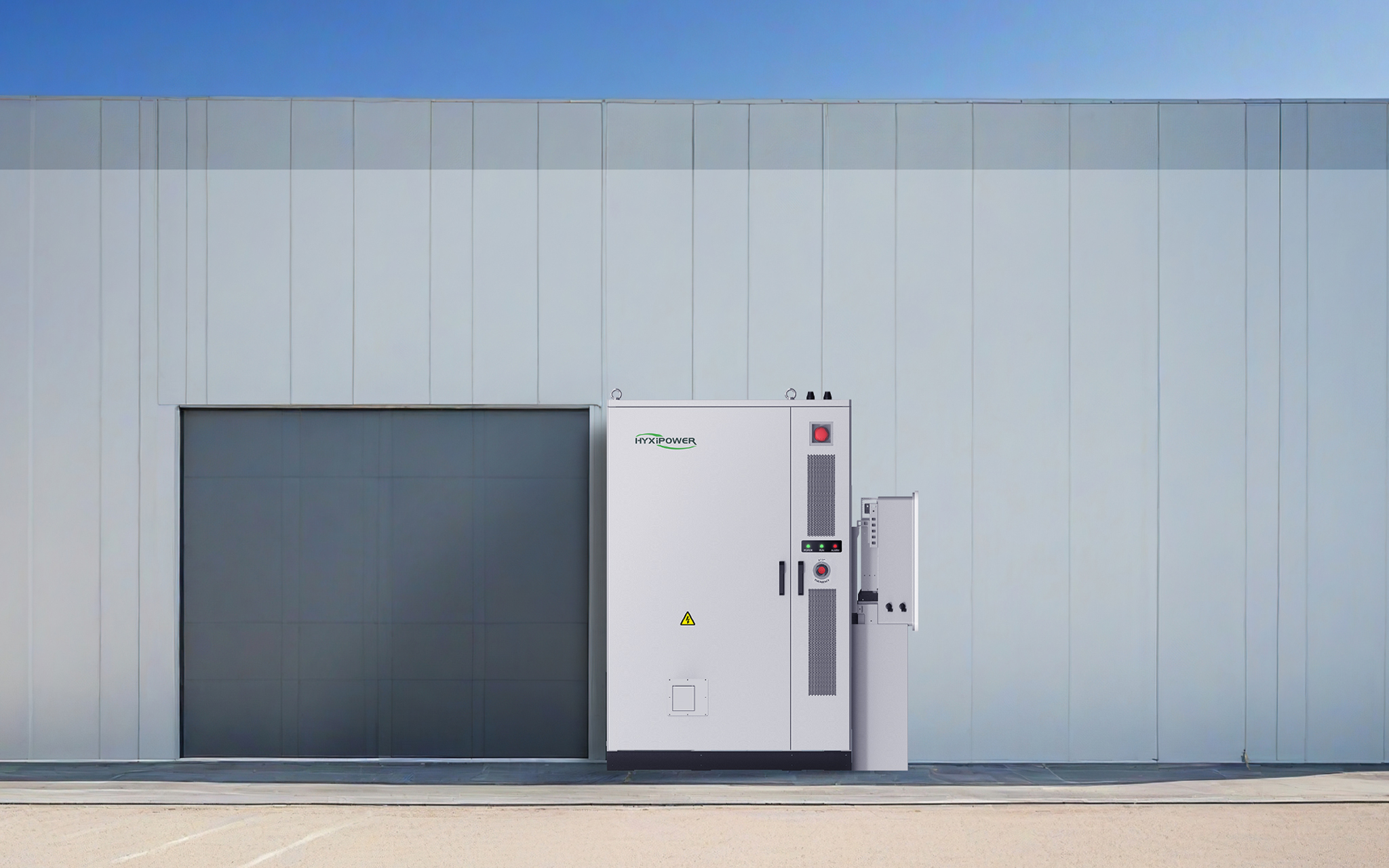
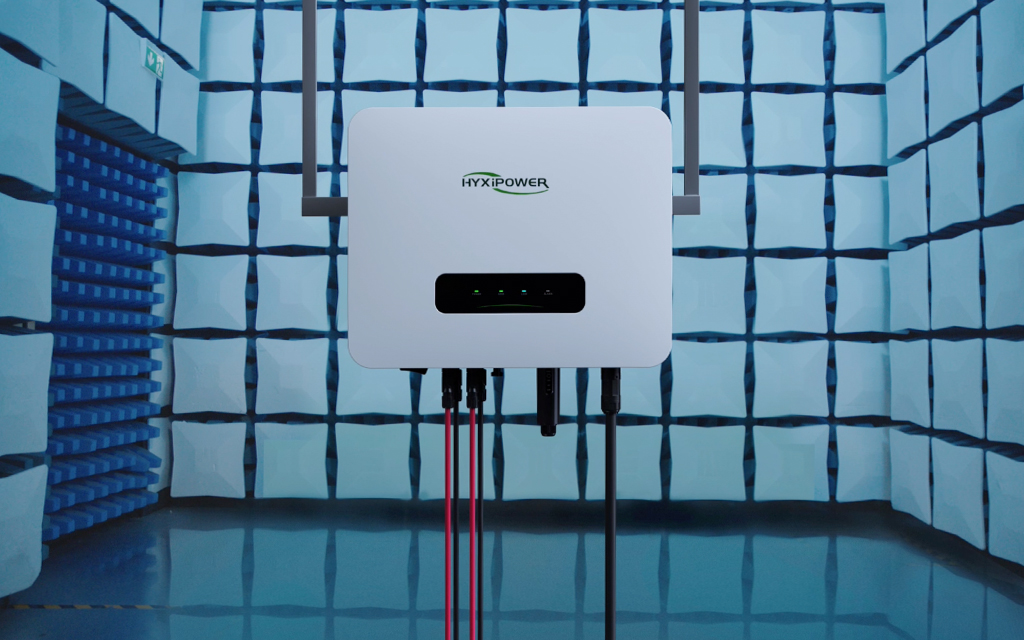
For instance, in HYXI’s ecosystem, the hardware devices (such as their hybrid inverters and energy storage systems) act as data gatherers. They don’t just convert power; they constantly measure grid health, battery status, and PV generation levels. These devices convert physical energy flow into digital signals, creating the raw data stream that the rest of the system will analyze. Communication and Network Layer: The Nervous System
Once data is collected, it needs to travel. The “Communication and Network Layer” is responsible for transmitting this data securely and reliably from the field devices to the central platform.
Reliability is non-negotiable here. If the network drops, the “brain” loses sight of the “body.” This layer often utilizes a mix of wired and wireless technologies.
● Wired: Technologies like RS485 and Ethernet provide robust, interference-resistant connections, often used for connecting inverters to batteries or meters.
● Wireless: For broader connectivity, systems use Wi-Fi, 4G/5G, or specialized IoT protocols like LoRa and ZigBee.
HYXI’s solutions, for example, support a multi-mode approach including Wi-Fi, 4G, LAN, and PLC (Power Line Communication). This ensures that whether a system is installed in a remote farmhouse or a concrete industrial complex, the data stream remains unbroken, allowing for stable, real-time monitoring. Edge/Control Layer: The Reflexes
Not all decisions can wait for the cloud. The “Edge/Control Layer” handles local logic and immediate responses. Think of this as the body’s reflex system like pulling your hand away from a hot stove without thinking.
This layer involves edge controllers or local energy gateways that execute commands instantly. Their functions include load balancing, safety shutdowns, and initial data filtering.
A prime example is safety management. HYXI inverters feature integrated AFCI (Arc Fault Circuit Interrupter) technology that can detect hazardous arcs up to 300 meters away and shut down the system within 0.5 seconds. Similarly, local logic manages the immediate switching between grid and battery power during an outage, ensuring seamless continuity. Application Layer: The Brain
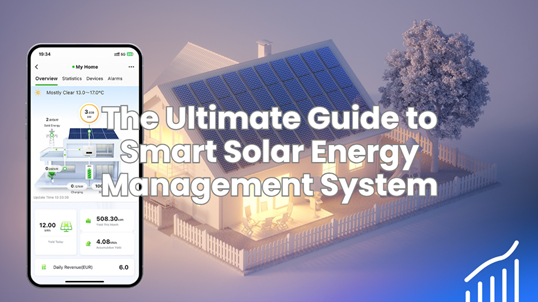
Finally, we reach the “Application Layer.” This is the centralized smart energy management system interface. This layer resides on cloud servers or on-premises platforms and is powered by databases and AI analytics engines.
Its purpose is to turn raw data into actionable insights. Features here include: ● Energy Analysis & Reporting: Visualizing production vs. consumption trends. ● Predictive Maintenance: Using AI to spot anomalies before equipment fails. ● Remote Control: Allowing users to change settings from anywhere at any time via a mobile app or web portal.
The HYXI cloud platform shines here. It offers a “One-stop User View” that aggregates data across various scenarios. It utilizes 24/7 AI cell management to monitor battery health actively and employs Intelligent IV diagnostics to pinpoint faults in solar strings precisely.
Furthermore, the 24H intelligent TOU scheduling helps maximize profits. It analyzes electricity rates and automatically schedules the battery to charge when rates are low and discharge when they are high. It also supports OpenAPI, allowing it to integrate with other systems like Building Management Systems (BMS) for a truly holistic approach. The Future is Smart
The transition to solar is just the first step. To truly harness the power of clean energy, we need intelligence. A robust smart energy management system transforms energy from a simple utility into a manageable, optimizable asset. Platforms like HYXI smart energy platform can evolve with changing energy needs and technology advances.